Reading Comprehension: Job Interviews
An interview is often the final step in securing the job you want.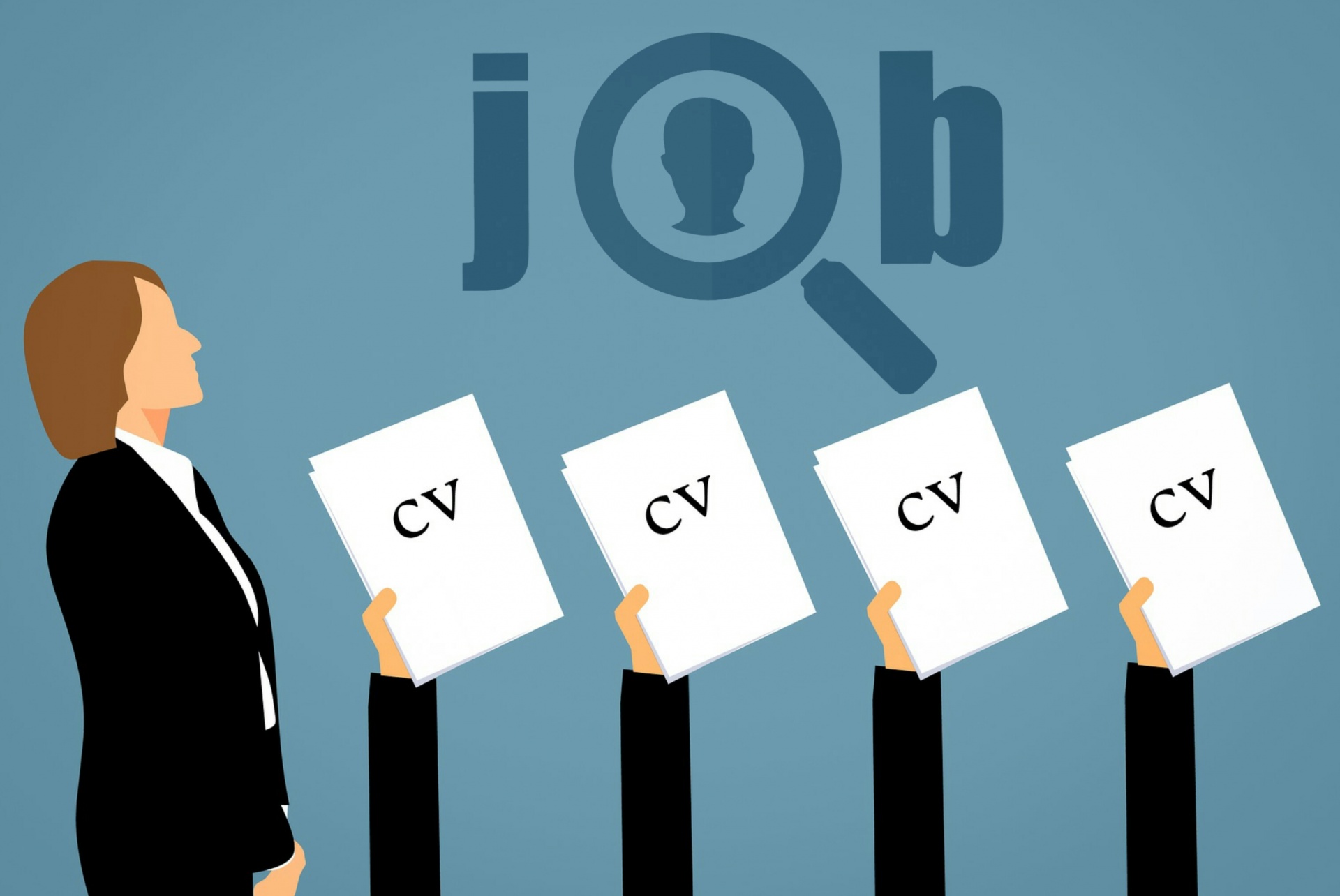
The best way to overcome any nerves leading up to a job interview is to be properly prepared.
Before the interview
To get prepared:
- go to the interview knowing as much as possible about the business by
- doing some research so you know what they do and what they stand for
- visiting their website or reading their most recent annual report.
- prepare scenarios that highlight your previous achievements. However, don't repeat yourself too much in the interview if you have already done this in your written application.
- identify 3 or 4 personal strengths that will help to set you apart from other candidates—anything from being calm in a crisis to being able to multi-task and meet multiple deadlines
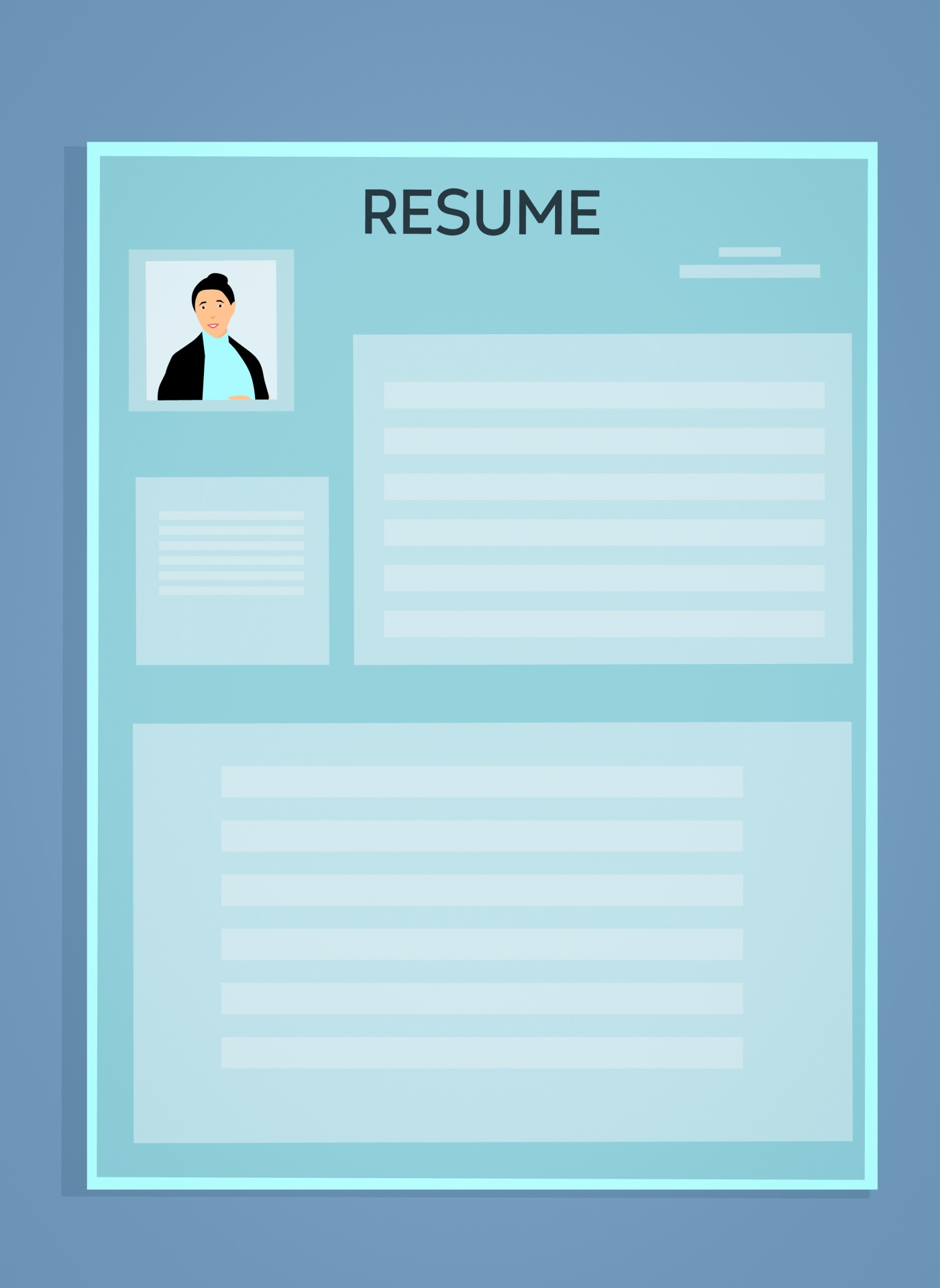
- review your resume and make copies for the interview
- get a good night's sleep so you are well-rested and focused
- arrive on time—get there at least 15 minutes before the interview so that you have enough time to gather your thoughts and relax.
Dress appropriately
For most positions, formal clothes like a suit and tie for men, and pants or a skirt suit for women, is usually the safest option.
Before the interview, make sure your clothes are clean, neat and ironed.
You should avoid distractions like loud colourful ties, strong fragrances and wearing too much jewellery.
Be sure to try on your outfit before the interview to make sure it fits well, is appropriate for the position and is comfortable.
During the interview

- Believe you are the right person for the job—be confident but not over-confident.
- Listen carefully to questions and answer them honestly and competently. If you don't understand the question make sure you ask for it to be repeated or clarified so you can answer correctly.
- Avoid 'yes' or 'no' responses. Go into detail but don't provide lengthy, meaningless responses. Manage your time—responses should be around 2 minutes each.
- Incorporate your personal strengths into the interview.
- Ask 2 or 3 questions at the end of the interview and reiterate your strengths and your enthusiasm for the job.
- Do not:
- complain about previous employers or make negative comments
- discuss politics, religion, race or marital status
- talk about family problems
- complain about how hard it is to find work or the number of interviews you have had.
After the interview
- Send a brief letter or email to the employer (or phone them) to thank them for the opportunity to apply for the position.
- Ask for feedback on how you can improve for your next interview.
- Be good natured and genuine when seeking feedback.
- Use any feedback to improve your application and interview performance.