Skip navigation

Breafing of Canada

Basic Information

Canada is a country in North America. With an area that makes it the second largest in the world, Canada stretches across the northern tip of the Americas, from the Atlantic Ocean to the Pacific Ocean, and its coastline is divided into thousands of islands that extend into the Arctic. To the south, Canada borders the United States in the world's longest border shared by two countries.

Brief information about the country:

Official name: Canada.
Capital: Ottawa.
Other cities: Toronto, Montreal, Vancouver; Calgary and Quebec City.
Area: 9,985,670 km2.
Population: 41,288,599 inhabitants.
Official language: English and French.
Currency: Canadian dollar (CAD).
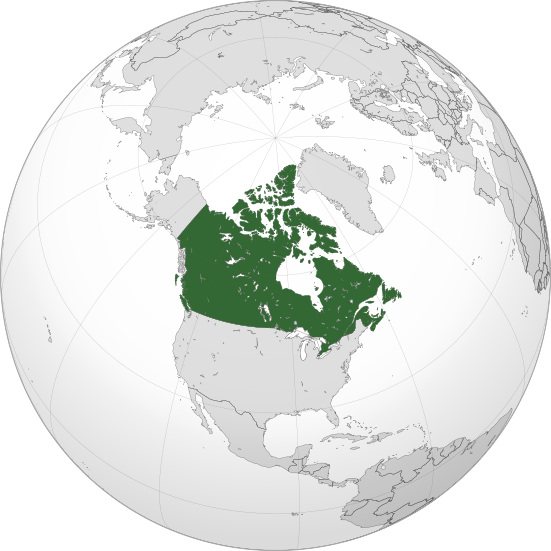
Orthographic map of Canada
Addicted04. CAN orthographic.svg (CC BY-SA)


Culture

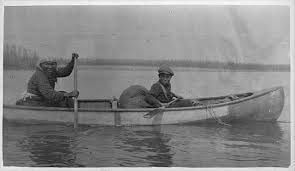
Historically, Canadian culture has been influenced by the traditions and customs of British, French and Indigenous cultures. Many indigenous words, inventions and games have become part of everyday life for Canadians. Canoe, snowshoe, toboggan run, lacrosse, tug-of-war, maple syrup and tobacco are a few examples. Some words of indigenous origin include barbecue, caribou, tamias, groundhog, hammock, skunk, skunk, mahogany, hurricane and moose.

People in a canoe
Canadian National Exhibition. Hareskin canoe (Dominio público)

Canadian culture has been greatly influenced by immigrants from all over the world, which is why most people perceive Canada as a multicultural nation.

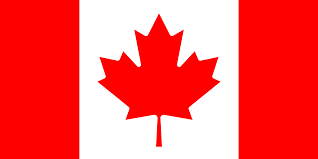
Maple Leaf: A Symbol

The use of the maple leaf as a Canadian symbol dates back to the early 18th century. The maple leaf is depicted on flags, coins and national coats of arms. Other important symbols include the beaver, Canada goose, totem pole, inukshuk, Canadian loon, Crown and Mounted Police.

Flag of Canada
E Pluribus Anthony. Flag of Canada.svg (Dominio público)

Creado con eXeLearning (Ventana nueva)