Reading Comprehension:The Finnish Educational System
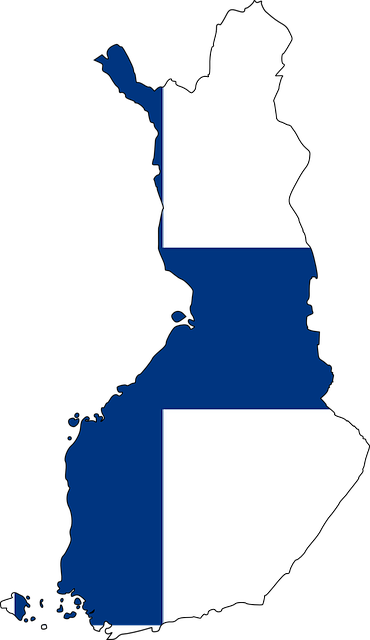 The Finnish educational system is split into four levels; Basic, Secondary, Higher and Teacher education. Basic education is compulsory and starts at age 7. There are many pre schools from 6, usually attached to the schools the children then go to for the rest of their basic education. Everyone has 9 years basic compulsory education in two main stages, from 1-6 and 7-9. Many of the features of their school system are influenced by the German system.
There is a national curriculum, created by the National Board of Education. Teachers are quite involved with the development of the curriculum, although this was not the case before. Nevertheless, the curriculum is not designed by politicians. The municipalities define their curriculum, and each school then adapts this to their own local context. The teaching methods and the materials used to teach are left to the individual teachers to decide.
Compulsory core subjects are;
- ‘Mother tongue’ (usually Finnish), literature and foreign languages (Swedish or Sami)
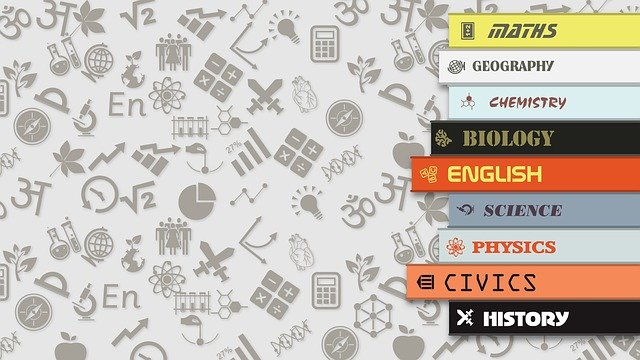
- Environmental studies and civics
- Religion or ethics, history, social studies
- Mathematics, physics, chemistry
- Biology, geography
- Physical education, music, visual arts, crafts, home economics and pupil counselling
Grades 1-6 are taught by class teachers, and 7-9 are taught by subject specialists. 88% of these teachers are qualified, and all of them must be qualified to have a permanent position, the remaining 12% being largely student teachers training.
 The average salary for a basic education teacher would be 36,000 Euros with 25% paid in tax. This may sound high, but the cost of living here is also very high, particularly for food. The constitution of Finland sets out the objective of education as giving all citizens access to education. Even foreign students can access higher education for free.
Secondary education is non compulsory, but it is compulsory to apply or your unemployment payments will be cut. 94% starts secondary education and 88% graduate. If you do not get in to the three schools you apply for then you are excused attending. There are two types of secondary schools; academic secondary schools and vocational schools. The Higher education system has two routes; Universities and Polytechnics or Universities of Applied Sciences. There are 15 Universities and 25 Polytechnics.
The popularity of the Finnish education system is that in Finland there is a culture of trust in teachers. There have been no school inspections since 1983. They still have inspectors, but only to deal with complaints. Even within schools, head teachers will not come to inspect the teaching of individual teachers. This trust extends to pupils and parents. Their teacher education system takes on the mission to create teachers who are worthy of that trust.
Adapted from: http://www.oliverquinlan.com/liveblogs/?p=944