G R A M M A R
-
G R A M M A R
-
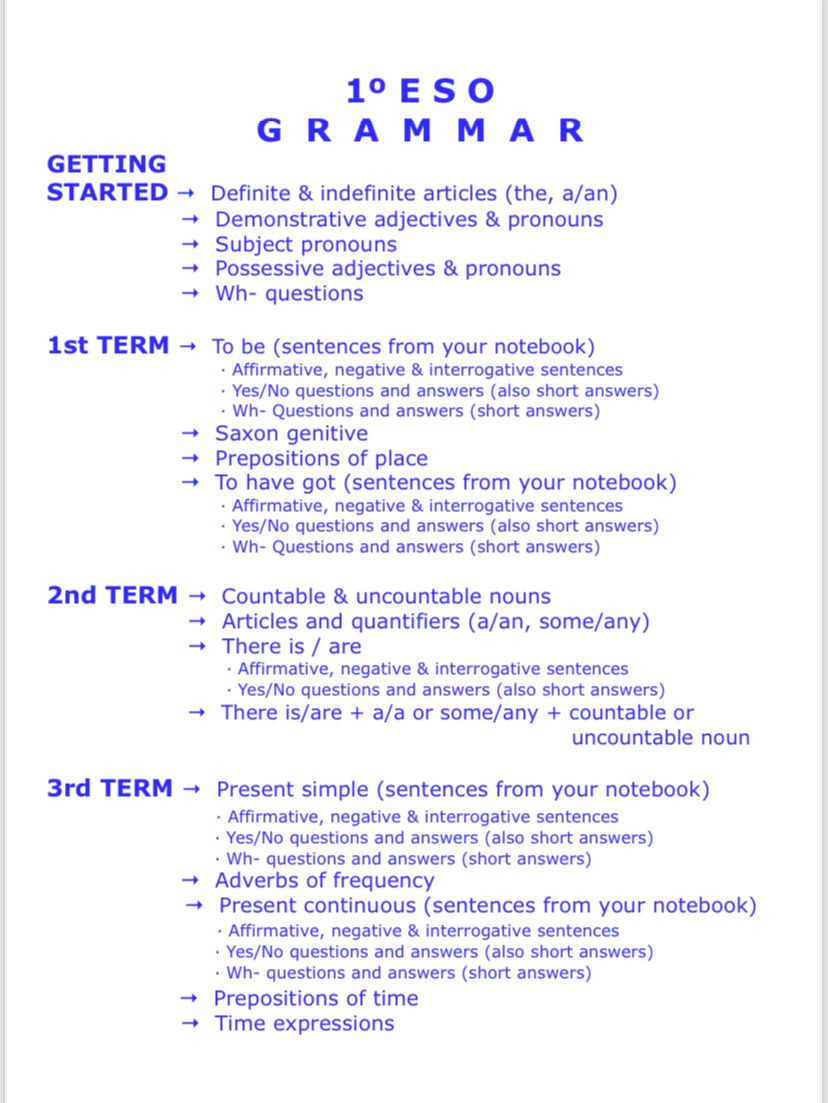
Grammar - Contidos
-
Grammar (Contenidos)
-
SUBJECT PRONOUNS
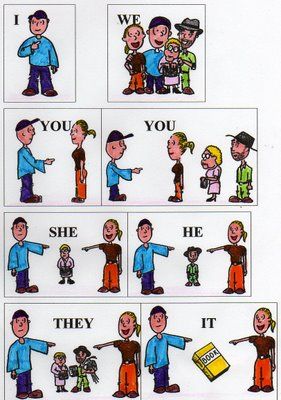
Estas pantallas nos permitirán conocer,
identificar y utilizar correctamente los
siete SUBJECT PRONOUNS (pronombre
personales que hacen la función de sujeto)
que existen en la lengua inglesa.
IMPORTANTE: En inglés es obligatorio
poner sujeto acompañando al verbo o
al auxiliar. Si no aparece el sujeto,
utilizaremos los SUBJECT PRONOUNS,
que son los que hacen función de sujeto.
-
Subject Pronouns - Guess the Answers
-
SUBJECT PRONOUNS - Meaning
-
Subject Pronouns - Meaning I (Level 1.1)
-
Subject Pronouns - Meaning I (Level 1.2)
-
Subject Pronouns - Meaning I (Level 1.3)
-
Subject Pronouns - Meaning II (Level 2.1)
-
Subject Pronouns - Meaning II (Level 2.2)
-
Subject Pronouns - Meaning II (Level 2.3)
-
Subject Pronouns - Meaning III (Level 3.1)
-
Subject Pronouns - Meaning III (Level 3.2)
-
Subject Pronouns - Meaning III (Level 3.3)
-
Subject Pronouns - Meaning IV (Level 4.1)
-
Subject Pronouns - Meaning IV (Level 4.2)
-
Subject Pronouns - Meaning IV (Level 4.3)
-
SUBJECT PRONOUNS - Which person is it?
-
Subject Pronouns (Which person is it?) - Level 1
-
Subject Pronouns (Which person is it?) - Level 2
-
Subject Pronouns (Which person is it?) - Level 3
-
Subject Pronouns (Which person is it?) - Level 4
-
Subject Pronouns (Which person is it?) - Level 5
-
SUBJECT PRONOUNS - Which pronoun is it?
-
Subject Pronouns (Which pronoun is it?) - Level 1
-
Subject Pronouns (Which pronoun is it?) - Level 2
-
Subject Pronouns (Which pronoun is it?) - Level 3
-
Subject Pronouns (Which pronoun is it?) - Level 4
-
Subject Pronouns (Which pronoun is it?) - TOP LEVEL
-
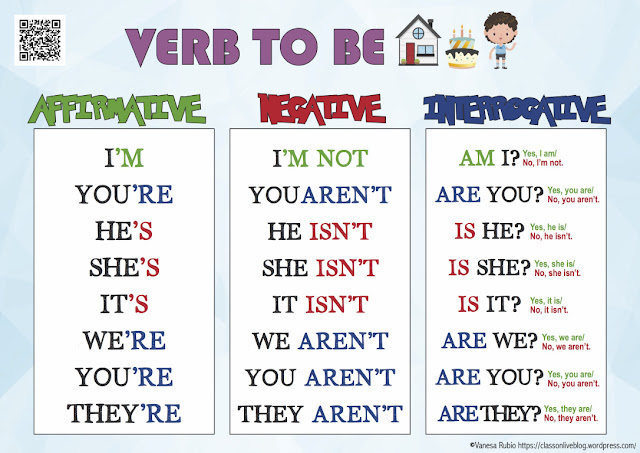
V. TO BE - Meaning
-
V. TO BE (Affirmative) - Meaning I (Level 1.1)
-
V. TO BE (Affirmative) - Meaning I (Level 1.2)
-
V. TO BE (Affirmative) - Meaning I (Level 1.3)
-
V. TO BE (Affirmative) - Meaning I (Level 1.4)
-
V. TO BE (Affirmative) - Meaning II (Level 2.1)
-
V. TO BE (Affirmative) - Meaning II (Level 2.2)
-
V. TO BE (Affirmative) - Meaning II (Level 2.3)
-
V. TO BE (Affirmative) - Meaning II (Level 2.4)
-
V. TO BE (Interrogative) - Meaning I (Level 1.1)
-
V. TO BE (Interrogative) - Meaning I (Level 1.2)
-
V. TO BE (Interrogative) - Meaning I (Level 1.3)
-
V. TO BE (Interrogative) - Meaning I (Level 1.4)
-
V. TO BE (Interrogative) - Meaning II (Level 2.1)
-
V. TO BE (Interrogative) - Meaning II (Level 2.2)
-
V. TO BE (Interrogative) - Meaning II (Level 2.3)
-
V. TO BE (Interrogative) - Meaning II (Level 2.4)
-
V. TO BE (Negative) - Meaning I (1.1)
-
V. TO BE (Negative) - Meaning I (1.2)
-
V. TO BE (Negative) - Meaning I (1.3)
-
V. TO BE (Negative) - Meaning I (1.4)
-
V. TO BE (Negative) - Meaning II (2.1)
-
V. TO BE (Negative) - Meaning II (2.2)
-
V. TO BE (Negative) - Meaning II (2.3)
-
V. TO BE (Negative) - Meaning II (2.4)
-
DEMONSTRATIVE ADJECTIVES AND PRONOUNS
 Please watch the video about the demonstrative adjectives and pronouns. Pay attention, as you'll have to answer some questions about it in your notebook:1. Which of the four demonstratives are singular?2. Which of them are plural?3. Which of them are used to refer to something that is here (near)?4. Which of them are used to refer to something that is there (far)?5. Which of them is used to refer to a thing (singular) that is here (near)?6. Which of them is used to refer to a thing (singular) that is there (far))?7. Which of them is used to refer to several things (plural) that is here (near))?8. Which of them is used to refer to several things (plural) that is there (far))?If you need some help, please click on here.Right! Now you are ready to do your best playing KAHOOT!
 -
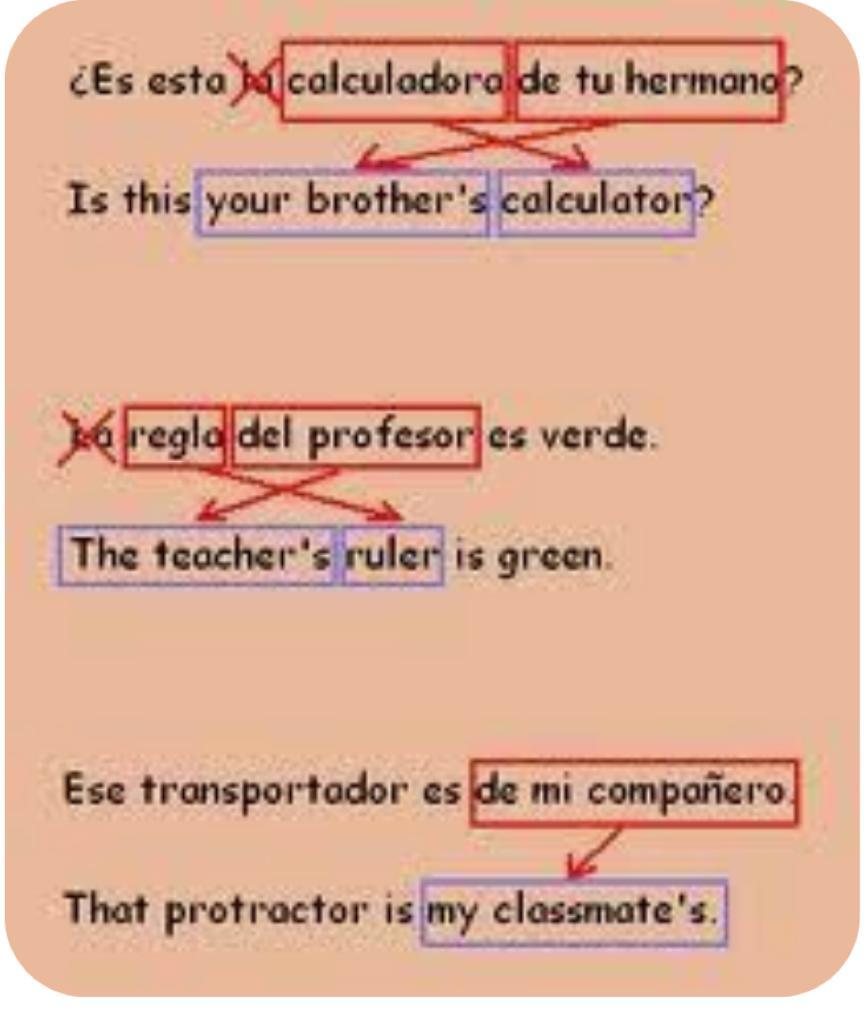
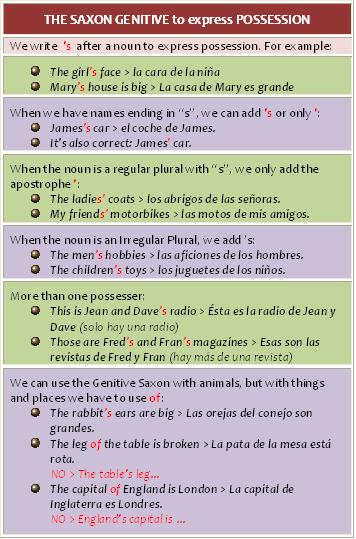
POSSESSIVE ADJECTIVES & PRONOUNS
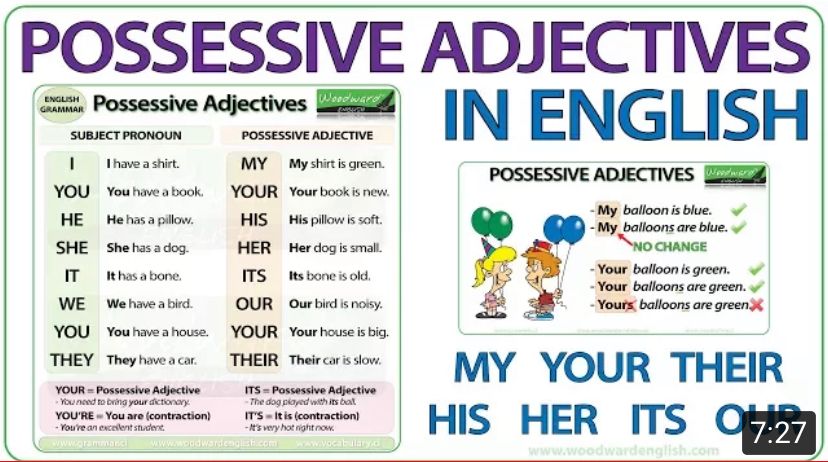
Please watch the video about Possessive Adjectives. Pay attention, as you'll have to answer some questions about it in your notebook:
1. Copy in your notebook the possessive adjetives next to the appropriate subject pronoun (write them in the right order).
2. According to the "youtuber", we use a possessive adjective to show "POSSESSION" or "RELATIONSHIP". What does it mean?
3. In English, how many forms have possessive adjetives? Why? You can use an example to explain it.
4. Write in your notebook the difference between ITS and IT'S and the difference between YOUR and YOU'RE. Then translate them into Spanish. Which ones are possessive adjectives and which ones are a subejct pronoun + the contraction of verb TO BE?
5. From here on, do the exercises and write them in your notebook!
If you need some help, please click on here.Please watch the video about Possessive adjectives HIS & HER. Pay attention, as you'll have to answer some questions about it in your notebook:1. Can you explain the difference between HIS and HER? (You can use an example)2. When do we use HIS?3. When do we use HER?4. From here on, do the exercises and write them in your notebook!
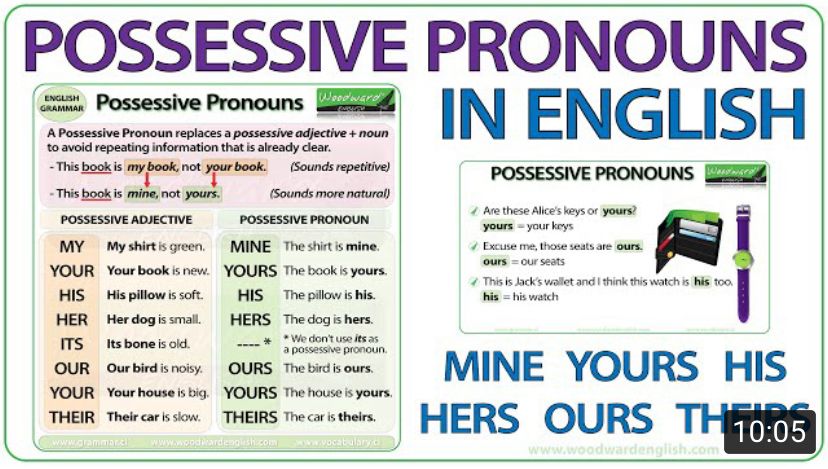
Please watch the video about Possessive Adjectives. Pay attention, as you'll have to answer some questions about it in your notebook:
1. Copy in your notebook the possessive pronouns next to the appropriate possessive adjectives (write them in the right order).
2. According to the "youtuber", why do we use possessive pronouns? Can you expalain it with examples (or in your native language if necessary)?
3. In English, how many forms have possessive pronouns? Why? You can use an example to explain it.
4. From here on, do the exercises and write them in your notebook!
If you need some help, please click on here.Right! Now you are ready to do your best playing KAHOOT! -
-
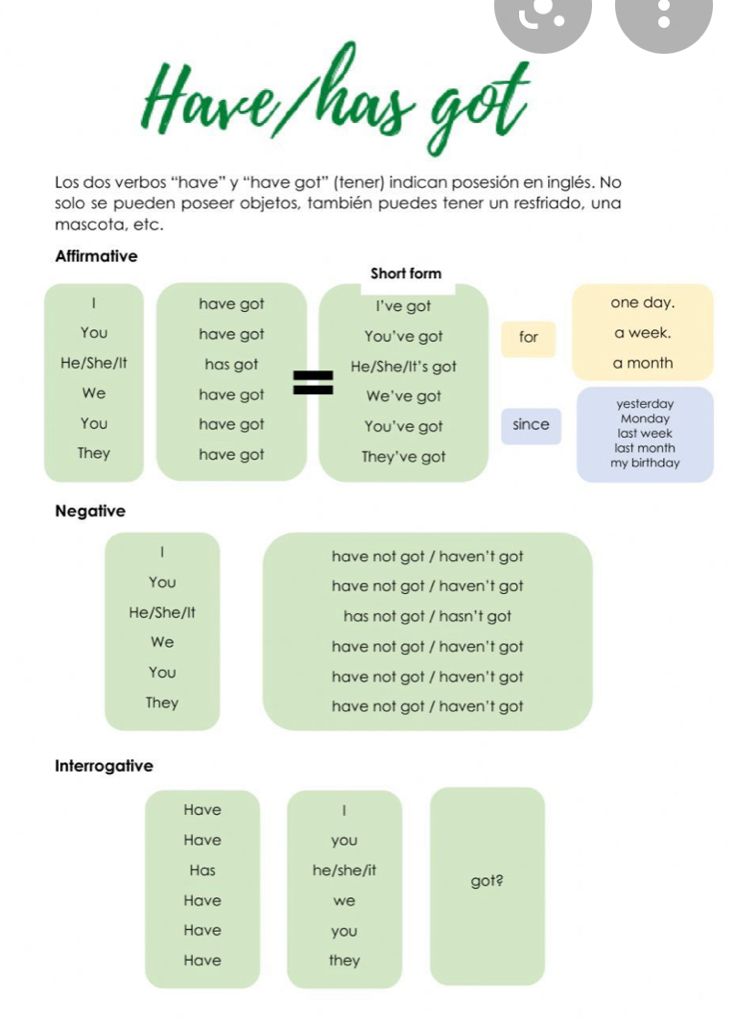
V. TO HAVE GOT - Meaning
-
V. TO HAVE GOT (Affirmative) - Meaning I (Level 1.1)
-
V. TO HAVE GOT (Affirmative) - Meaning I (Level 1.2)
-
V. TO HAVE GOT (Affirmative) - Meaning I (Level 1.3)
-
V. TO HAVE GOT (Affirmative) - Meaning II (Level 2.1)
-
V. TO HAVE GOT (Affirmative) - Meaning II (Level 2.2)
-
V. TO HAVE GOT (Affirmative) - Meaning II (Level 2.3)
-
V. TO HAVE GOT (Interrogative) - Meaning I (Level 1.1)
-
V. TO HAVE GOT (Interrogative) - Meaning I (Level 1.2)
-
V. TO HAVE GOT (Interrogative) - Meaning I (Level 1.3)
-
V. TO HAVE GOT (Interrogative) - Meaning II (Level 2.1)
-
V. TO HAVE GOT (Interrogative) - Meaning II (Level 2.2)
-
V. TO HAVE GOT (Interrogative) - Meaning II (Level 2.3)
-
V. TO HAVE GOT (Negative) - Meaning I (Level 1.1)
-
V. TO HAVE GOT (Negative) - Meaning I (Level 1.2)
-
V. TO HAVE GOT (Negative) - Meaning I (Level 1.3)
-
V. TO HAVE GOT (Negative) - Meaning II (Level 2.1)
-
V. TO HAVE GOT (Negative) - Meaning II (Level 2.2)
-
V. TO HAVE GOT (Negative) - Meaning II (Level 2.3)
-
ARTICLES & QUANTIFIERS (Part 1)
A video about the article A/AN (+ a vowel sound)
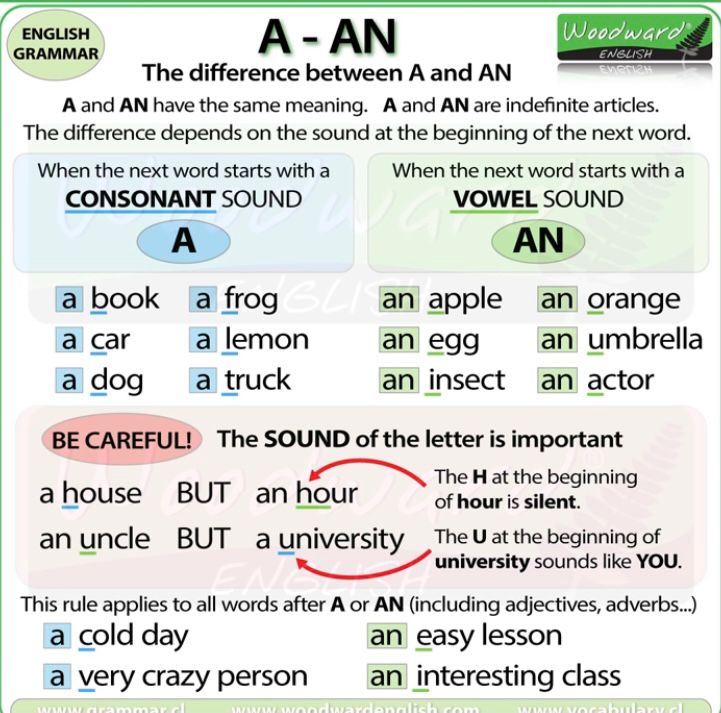
Please watch the video about the definite and indefinite article. Pay attention, as you'll have to answer some questions about it in your notebook:
1. Which kind of article is A/AN: a Definite Article or an Indefinite Article?2. Have A & AN got a different meaning or have they got the same meaning?3. Are they used for singular or for plural?4. Which of them is used when the next word starts with a vowel sound?5. Which of them is used when the next word starts with a consonant sound?6. Has the vowel u always got a vowel sound? Do you know any examples to explain this?7. What happens with the consonant h? Has it always got a consonant sound? Give some examples to explain that case.8. Finally, can you remember what the definite article is in English ? -
Grammar Test - Α & ΑΝ (Level 1.1)
-
Grammar Test - Α & ΑΝ (Level 1.2)
-
Grammar Test - Α & ΑΝ (Level 1.3)
-
Grammar Test - Α & ΑΝ (Level 2.1)
-
Grammar Test - Α & ΑΝ (Level 2.2)
-
Grammar Test - Α & ΑΝ (Level 2.3)
-
Grammar Test - Α & ΑΝ (Level 3.1)
-
Grammar Test - Α & ΑΝ (Level 3.2)
-
Grammar Test - Α & ΑΝ (Level 3.3)
-
Grammar Test - Α & ΑΝ (Level 4.1)
-
Grammar Test - Α & ΑΝ (Level 4.2)
-
Grammar Test - Α & ΑΝ (Level 4.3)
-
VERBS "TO BE & HAVE GOT"
-
To be or have got? Let's play the 3 levels!
S O M E T I P S !!
Para obter a máxima puntuación posible en cada pantalla, lembra o seguinte:
1. Os significados do verbo TO BE (ser, estar) e do verbo TO HAVE GOT (tener)
2. Deduce polo contexto se se trata do verbo TO BE ou HAVE GOT
3. Identifica claramente o verbo e o suxeito de cada frase.
4. Revisa as estruturas...
Verb TO BE
... da frase afirmativa → SUBJECT + {
Verb TO HAVE GOT
Verb TO BE + not
... da frase negativa → SUBJECT + {
Verb TO HAVE + not + GOT
Verb TO BE + SUBJECT?
... da frase interrogmativa → {
Verb TO HAVE + SUBJECT + GOT ?
REMEMBER!!Reglas del juego:
1. Repetir la pantalla tantas veces como sea necesario hasta obtener los 10 OKs.
2. No pasar al nivel siguiente hasta obtener nuestros 10 OKs.
3. No hacer trampas. Está muy feo y te acaban pillando.Que la suertee te acompañe!
-
Grammar Test - To be & have got - AFFIRMATIVE FORM (Level 1)
-
Grammar Test - To be & have got - INTERROGATIVE FORM (Level 1)
-
Grammar Test - To be & have got - NEGATIVE FORM (Level 1)
-
Grammar Test - To be & have got - SHORT ANSWERS (Level 1)
-
Grammar Test - To be & have got - AFFIRMATIVE FORM (Level 2)
-
Grammar Test - To be & have got - INTERROGATIVE FORM (Level 2)
-
Grammar Test - To be & have got - NEGATIVE FORM (Level 2)
-
Grammar Test - To be & have got - SHORT ANSWERS (Level 2)
-
Grammar Test - To be & have got - AFFIRMATIVE FORM (Level 3)
-
Grammar Test - To be & have got - INTERROGATIVE FORM (Level 3)
-
Grammar Test - To be & have got - NEGATIVE FORM (Level 3)
-
Grammar Test - To be & have got - SHORT ANSWERS (Level 3)
-
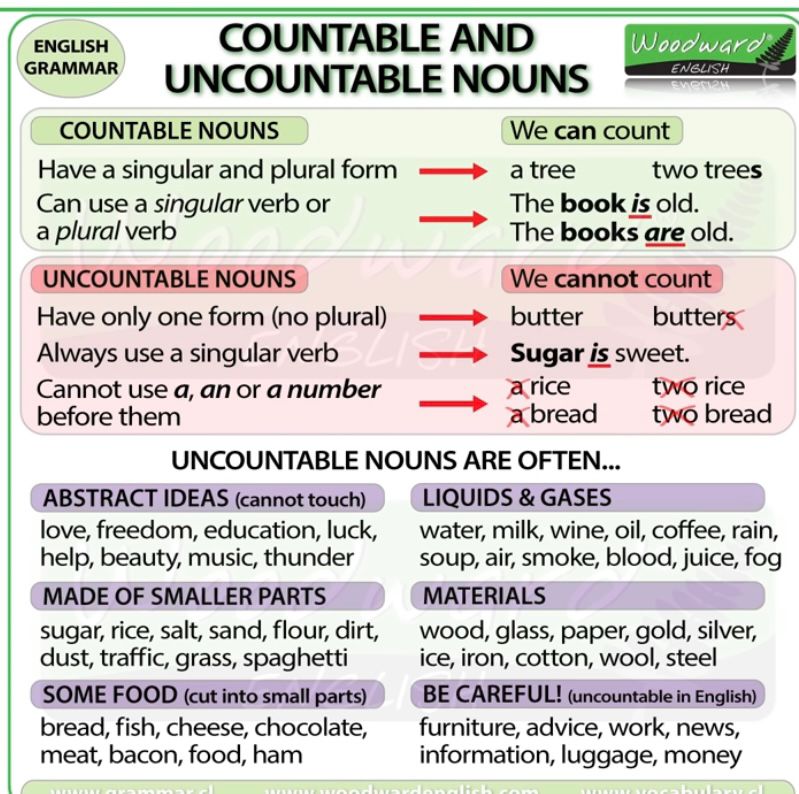
About COUNTABLE & UNCOUNTABLE NOUNS
-
COUNTABLE & UNCOUNTABLE NOUNS
Échale un vistazo a este vídeo atentamente, repitiendo cada palabra detrás del youtuber para mejorar tu pronunciación.Ahora, para completar el aprendizaje de este vídeo, haz click en la siguiente pantalla (A video game: Food) para contestar las preguntas interactivas.Finalmente tienes 4 niveles de pantallas para ver si tienes bien claro cuáles son nombres contables y cuáles son incontables. -
A video game - Food: Countable and Uncountable Nouns
-
Grammar Test - COUNTABLE or UNCOUNTABLE NOUNS!! (Level 1)
-
Grammar Test - COUNTABLE or UNCOUNTABLE NOUNS!! (Level 2)
-
Grammar Test - COUNTABLE or UNCOUNTABLE NOUNS!! (Level 3)
-
Grammar Test - COUNTABLE or UNCOUNTABLE NOUNS!! (Level 4)
-
ARTICLES & QUANTIFIERS (Part 2)
Cuándo se usa SOME y cuándo se usa ANY.
Échale un vistazo a el vídeo siguiente, prestando especial atención a las explicaciones que da la youtuber..Finalmente tienes 4 niveles de pantallas para ver si tienes bien claro cuándo usar some y cuándo usar any. -
Grammar Test - SOME & ANY!! (Level 1)
-
Grammar Test - SOME & ANY!! (Level 2)
-
Grammar Test - SOME & ANY!! (Level 3)
-
Grammar Test - SOME & ANY!! (Level 4)
-
ARTICLES & QUANTIFIERS (Summary).
Échale un vistazo a el vídeo siguiente, prestando mucha atención.Con ese repaso final, estás preparado para los 4 niveles de pantallas que tienes a continuación. Veamos si tienes bien claro todo lo referente a A/AN, SOME/ANY -
Grammar Test - ARTICLES & QUANTIFIERS (Level 1)
-
Grammar Test - ARTICLES & QUANTIFIERS (Level 2)
-
Grammar Test - ARTICLES & QUANTIFIERS (Level 3)
-
Grammar Test - ARTICLES & QUANTIFIERS (Level 4)
-
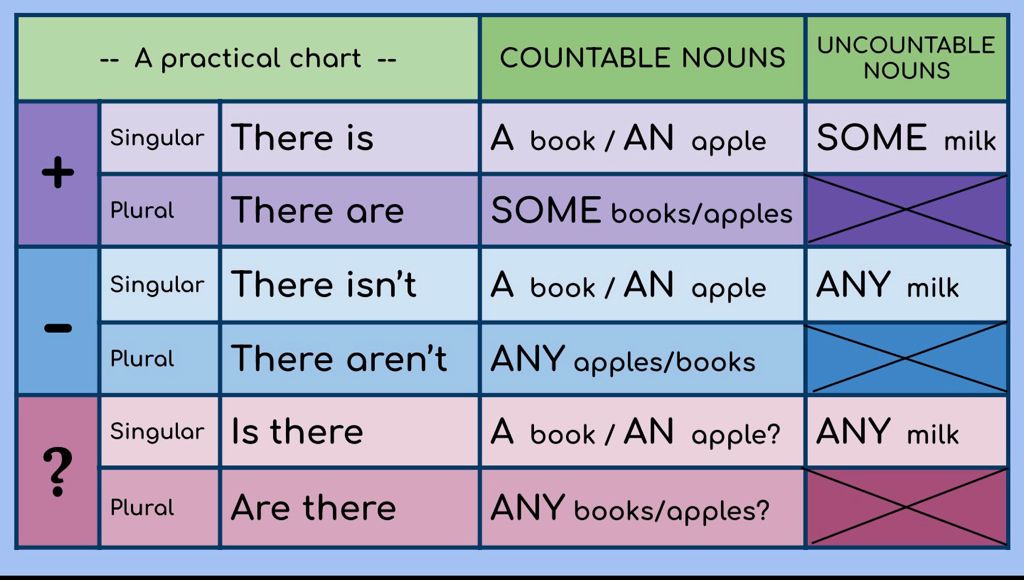
There is/There are + A/AN or SOME/ANY + Countable or Uncountable Nouns
S O M E T I P S !!
Elige una de las opciones que se da. Fíjate vien en si es una frase AFIRMATIVA, NEGATIVA o INTERROGATIVA y si se trata de un NOMBRE CONTABLE (que puede ir en PLURAL o en SINGULAR), o si se trata de un NOMBRE INCONTABLE (que siempre va en SINGULAR)
REMEMBER!!Reglas del juego:
1. Repetir la pantalla tantas veces como sea necesario hasta obtener los 10 OKs.
2. No pasar al nivel siguiente hasta obtener nuestros 10 OKs.
3. No hacer trampas. Está muy feo y te acaban pillando.Que la suertee te acompañe!
-
There is & There are.
Échale un vistazo a el vídeo siguiente, prestando mucha atención.Con ese vídeo, estás preparado para los 4 niveles de pantallas que hay a continuación. Veamos si tienes bien claro todo lo referente a There is and There are. -
Grammar test - THERE IS & THERE ARE (Level 1)
-
Grammar test - THERE IS & THERE ARE (Level 2)
-
Grammar test - THERE IS & THERE ARE (Level 3)
-
Grammar test - THERE IS & THERE ARE (Level 4)
-
Grammar test - THERE IS or THERE ARE (Level 1)
-
Grammar test - THERE IS or THERE ARE (Level 2)
-
Grammar test - THERE IS or THERE ARE (Level 3)
-
Grammar test - THERE IS or THERE ARE (Level 4)
-
Prepositions of Time: ON, IN, AT
THE BIG BIG CHALLENGE...
Do you want it?

I WANT IT !!!
Are you ready? So Let's start the challenge!
(Before starting, check your notes about Prepositions of Time) ¡¡Que la suerte te aompañe!
-
The B.B. CHALLENGE - Prepositions of Time I - Level 1.1
-
The B.B. CHALLENGE - Prepositions of Time I - Level 1.2
-
The B.B. CHALLENGE - Prepositions of Time I - Level 1.3
-
The B.B. CHALLENGE - Prepositions of Time II - Level 2.1
-
The B.B. CHALLENGE - Prepositions of Time II - Level 2.2
-
The B.B. CHALLENGE - Prepositions of Time II - Level 2.3
-
The B.B. CHALLENGE - Prepositions of Time III - Level 3.1
-
The B.B. CHALLENGE - Prepositions of Time III - Level 3.2
-
The B.B. CHALLENGE - Prepositions of Time III - Level 3.3
-
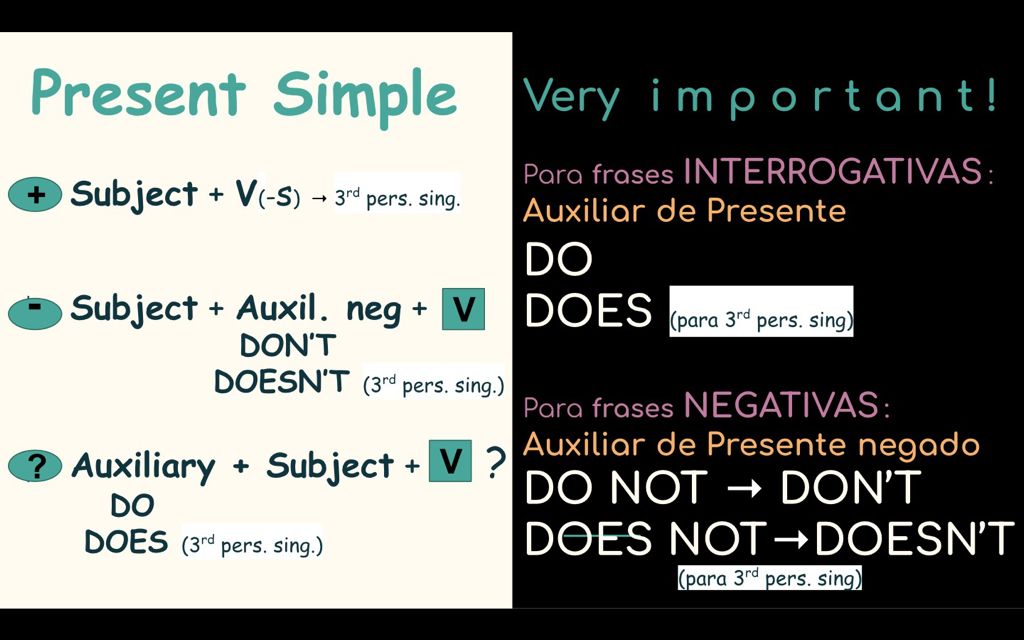
PRESENT SIMPLE - AFFIRMATIVE SENTENCES
Elige una de las opciones que se dan.
Recuerda que la estructura de las frases afirmativas en present simple es la siguiente:
Sujeto + Verbo (-s)
-
Present Simple (basic) - AFFIRMATIVE - Level 1.1
-
Present Simple (basic) - AFFIRMATIVE - Level 1.2
-
Present Simple (basic) - AFFIRMATIVE - Level 1.3
-
PRESENT SIMPLE - INTERROGATIVE SENTENCES
Elige una de las opciones que se dan.
Recuerda que la estructura de las frases interrogativas en present simple es la siguiente:
Auxiliar de Presente + Sujeto + Verbo (que no varía)
-
Present Simple (basic) - INTERROGATIVE - Level 1.1
-
Present Simple (basic) - INTERROGATIVE - Level 1.2
-
Present Simple (basic) - INTERROGATIVE - Level 1.3
-
PRESENT SIMPLE - NEGATIVE SENTENCES
Elige una de las opciones que se dan.
Recuerda que la estructura de las frases negativas en present simple es la siguiente:
Sujeto + Auxiliar de Presente negado + Verbo (que no varía)
-
Present Simple (basic) - NEGATIVE - Level 1.1
-
Present Simple (basic) - NEGATIVE - Level 1.2
-
Present Simple (basic) - NEGATIVE - Level 1.3
-
A D V E R B S O F F R E Q U E N C Y
-
Adverbs of Frequency - Level 1
-
Adverbs of Frequency - Level 2
-
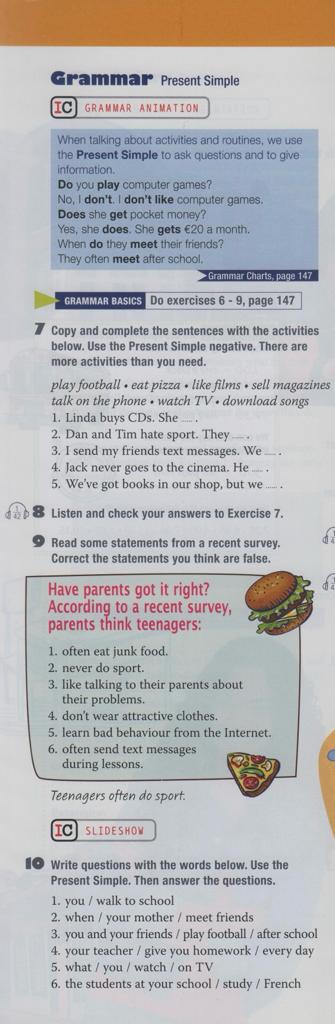
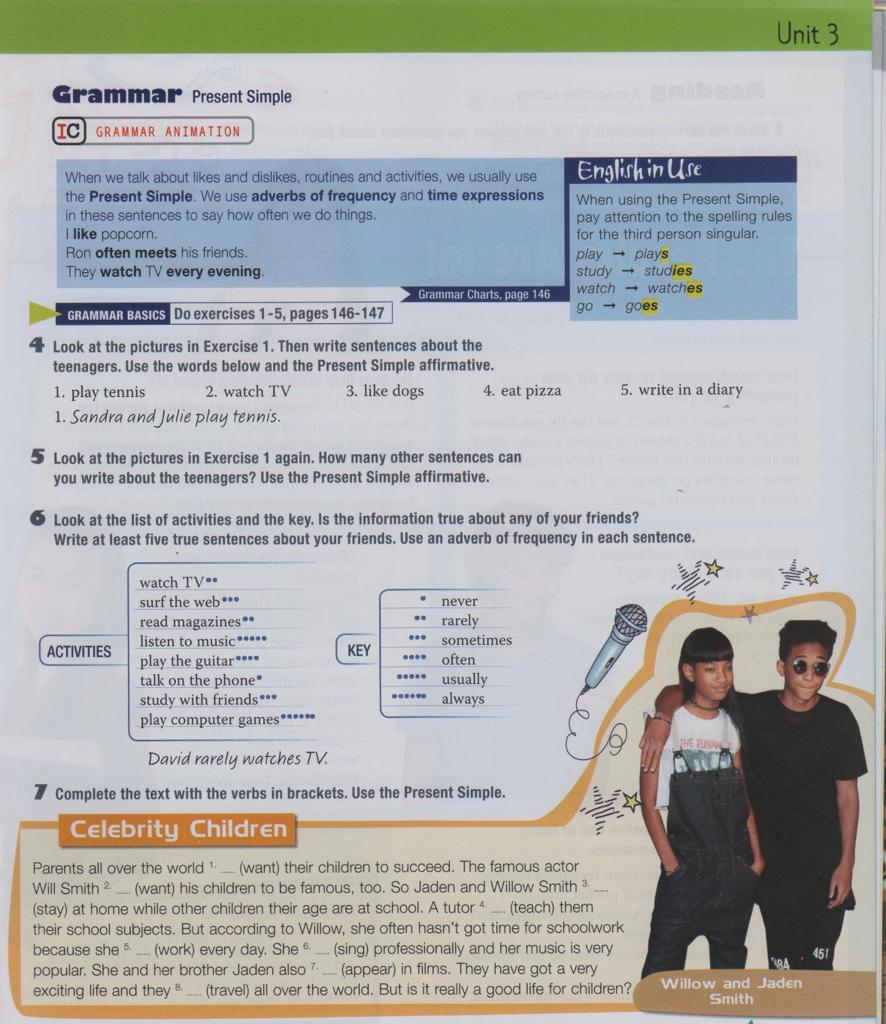
Present Simple
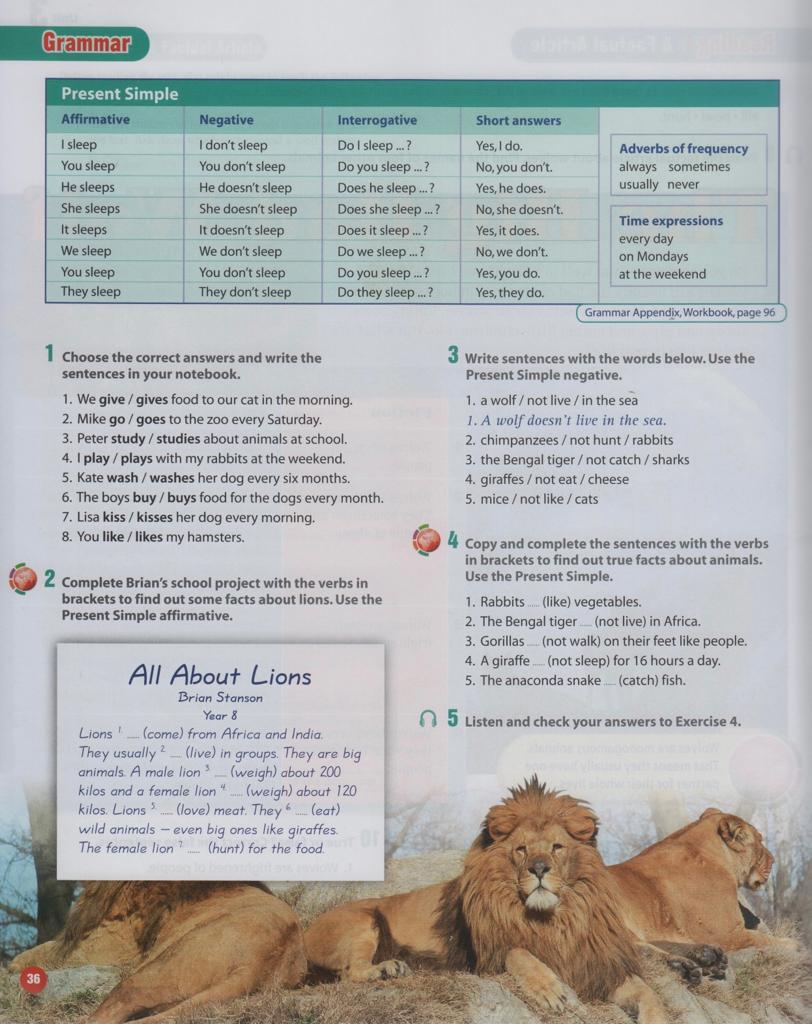
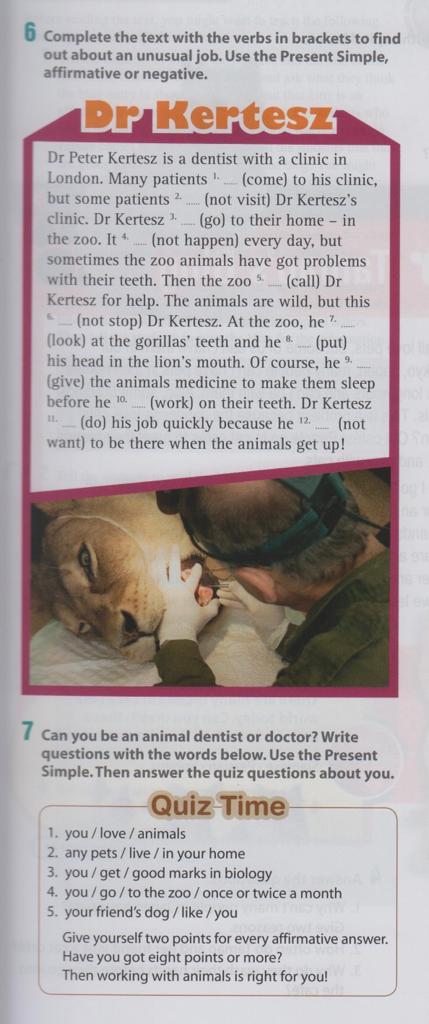

Present
Simple
-
-
-