Neoclassicism was a dominant trend in music in the period between the two World Wars.
It was a reaction against the exaggerated emotionalism of late Romanticism as well as a "call to order" after the experimental ferment of the first two decades of the twentieth century. 
Neoclassical music often drew inspiration from music of the
18th century, though the inspiring canon belonged as frequently to the
Baroque and even earlier periods as to the Classical period (an emphasis on rhythm and on contrapuntal texture, an expanded tonal harmony, and a concentration on absolute music as
opposed to Romantic program music).
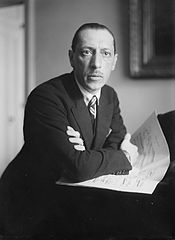
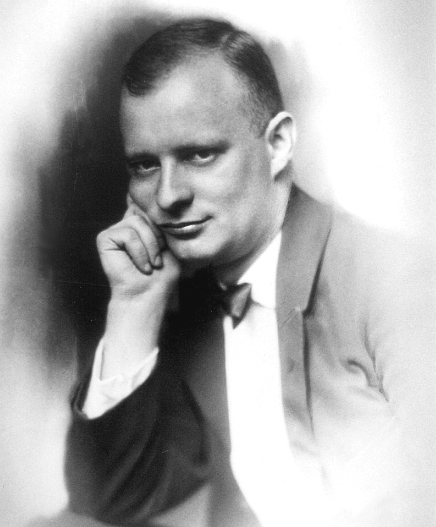
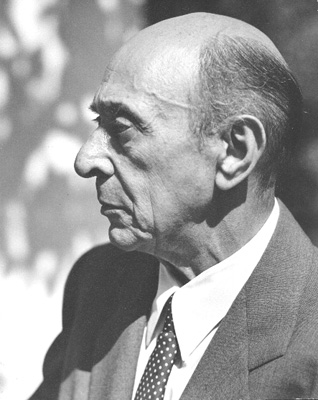
There were three distinct "schools" of neoclassicism, associated with Igor Stravinsky, Paul Hindemith, and Arnold Schoenberg.
|