

|
|
 MUSIC STYLE MUSIC STYLE |
| MAIN CHARACTERISTICS Characteristics often attributed to Romanticism, including musical Romanticism:
MUSICAL NATIONALISM- New preoccupation with and surrender to Nature. - Fascination with the past, particularly the Middle Ages and legends of medieval chivalry. - Turn towards the mystic and supernatural. 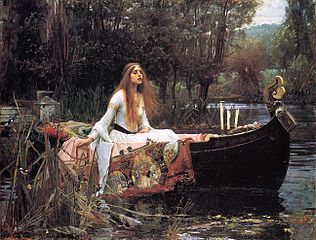 - Mysterious connotations of remoteness, the unusual and fabulous, the strange and surprising. - Focus on the nocturnal, the ghostly, the frightful, and terrifying. - Fantastic seeing and spiritual experiences. - New attention given to national identity. - Emphasis on extreme subjectivism. - Interest in the autobiographical. - Discontent with musical formulas and conventions. Musical
nationalism refers to the use of musical ideas or motifs that are
identified with a specific country, region, or ethnicity, such as folk
tunes and melodies, rhythms, and harmonies inspired by them.
As a musical movement, nationalism emerged early in the 19th century in connection with political independence movements, and was characterized by an emphasis on national musical elements such as the use of folk songs, folk dances or rhythms, or on the adoption of nationalist subjects for operas, symphonic poems, or other forms of music. Countries or regions most commonly linked to musical nationalism include Russia (The Five), Czechoslovakia (Bredich Smetana), Poland (Frederic Chopin), Hungary (Béla Bártok), Finland (Jean Sibelius), Norway (Edward Grieg), Spain (Manuel de Falla), UK (Edward Elgar), Latin America (Carlos Chávez) and the United States (Aaron Copland).  |