
 FACTS IN THE ROMANTICISM FACTS IN THE ROMANTICISM |
| The Romanticism
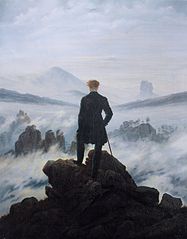
was an artistic, literary, and intellectual movement that originated in
the second half of the 18th century in Europe and strengthened in
reaction to the Industrial Revolution. In part, it was a revolt against social and political norms of the Age of Enlightenment and a reaction against the scientific rationalization of nature. It was embodied most strongly in the visual arts, music, and literature, but had a major impact on historiography, and natural history. Its effect on politics was considerable and complex; while for much of the peak Romantic period it was associated with liberalism and radicalism, in the long term its effect on the growth of nationalism was probably more significant. Events and changes that happen in society such as ideas, attitudes, discoveries, inventions, and historical events always affect music. For example, the Industrial Revolution was in full effect by the late 18th century and early 19th century. This event had a very profound effect on music: there were major improvements in the mechanical valves, and keys that most woodwinds and brass instruments depend on. The new and innovative instruments could be played with more ease and they were more reliable. Another development that had an effect on music was the rise of the middle class. Composers before this period lived on the patronage of the aristocracy. Many times their audience was small, composed mostly of the upper class and individuals who were knowledgeable about music. The Romantic composers, on the other hand, often wrote for public concerts and festivals, with large audiences of paying customers, who had not necessarily had any music lessons.  |