
|
 COMPOSERS COMPOSERS |
| PERIOD |
COMPOSER |
WORKS & MASTERPIECES |
||
| 1730-1760 |
CLASSICAL TRANSITION |
CHRISTOP W. GLUCK |
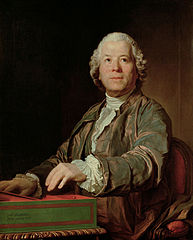 |
Gluck composed operas, ballets, vocal and instrmental music. |
| ANTONIO SALIERI |
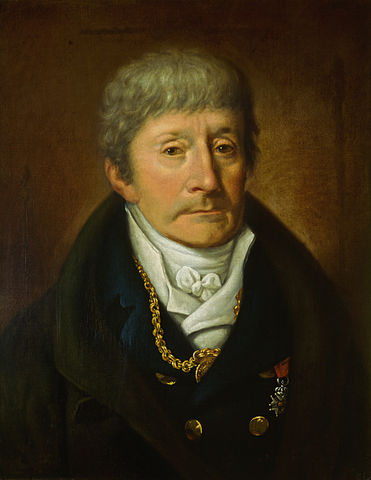 |
Salieri composed operas, sacred music and instrumental music. |
||
| 1750-1775 |
FIRST VIENNESE SCHOOL |
F. JOSEP HAYDN |
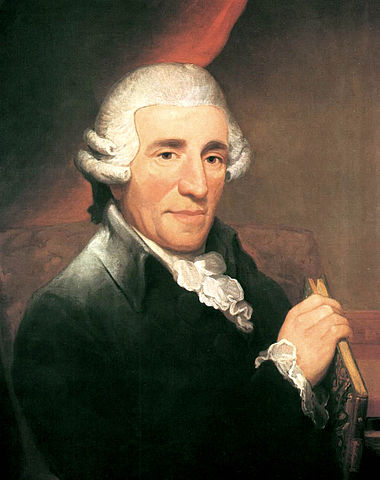 |
Haydn composed symphonies, concertos, operas, piano trios, string quartets, masses... - Trumpet concerto in E flat Major (allegro) |
| 1775-1790 |
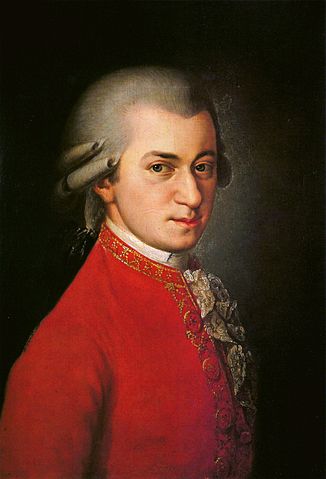
WOLFGANG AMADEUS MOZART |
|
Mozart
was a prolific and influential composer of the Classical period. He
showed prodigious ability from his earliest childhood. He composed in
many genres: symphonies, concertos (for piano, violin, horn,
woodwind...), piano music, chamber music (string quartets, string
quintets...), serenades, divertimentos, sacred music, operas... - Eine Kleine Nachtmusik (1st movement) - Turkish Rondo (alla turca) - The Queen of the Night (Aria) |
|
| 1790-1820 |
LUDWIG VAN BEETHOVEN |
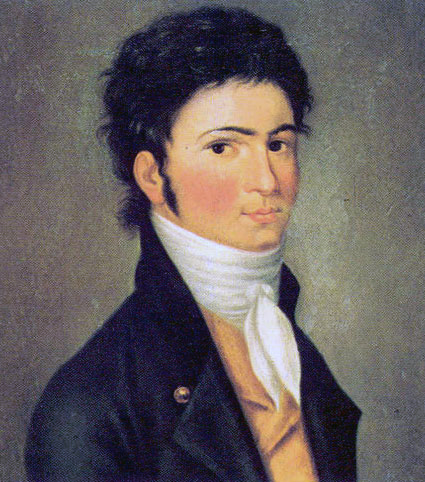 |
Beethoven's compositional career is usually divided into Early, Middle, and Late periods. In his Early period,
Beethoven's work was strongly influenced by his predecessors Haydn and
Mozart, but he also explored new directions. From the Early period are
pieces as the first and second symphonies, the set of six string quartets, the first two piano concertos, and the first dozen or so piano sonatas, including the famous Pathétique sonata. - Für Elise - Pathetique sonata (adagio) |
|
