
 COMPOSERS COMPOSERS |
| GENERATION |
SCHOOL
|
COMPOSERS |
MUSIC LEGACY |
|
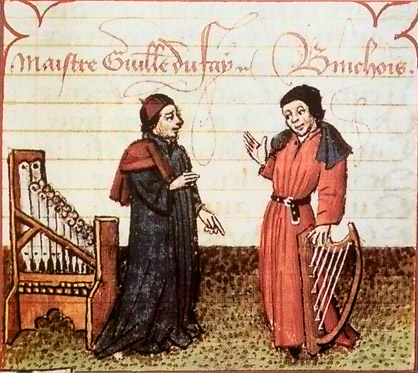
| 1ST | - ENGLISH - FRANCO-FLEMISH |
- JOHN DUNSTABLE - GUILLAUME DUFAY - GILLES BINCHOIS |
|
- Fauxbourdon:
technique of musical harmonisation. The homophony and mostly parallel
harmony allows the text of the mostly liturgical lyrics to be
understood clearly. |
| 2ND |
- FRANCO-FLEMISH |
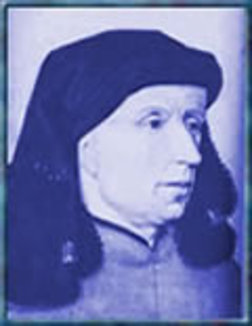
- ANTOINE BUSNOIS - JOHANNES OCKEGHEM |
 |
- Imitative polyphony, contrapuntal achievements - Canons, masses and motets |
| 3RD |
- FRANCO-FLEMISH |
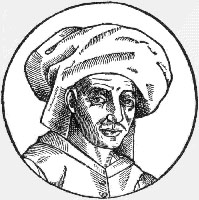
- JACOB OBRECHT -JOSQUIN DES PREZ |
 |
- International musical language: melismatic musical lines, contrapuntal complexity, homophonic textures |
| 4TH |
- SPANISH The Golden Age of Spanish music with international fame . |
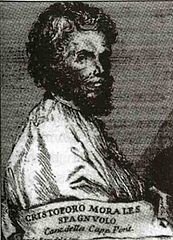
- CRISTÓBAL DE MORALES - LUIS DE NARVÁEZ - ANTONIO DE CABEZÓN - JUAN DEL ENZINA |
 |
- New local styles of secular music: new Italian madrigal, Parisian chanson. In Spain vihuela books are published that include songs for voice with accompaniment. - Music for vihuela and organ. |
| 5TH |
- ROMAN | - GIOVANNI PIERLUIGI DA PALESTRINA - ORLANDO DI LASSO - TOMÁS LUIS DE VICTORIA |
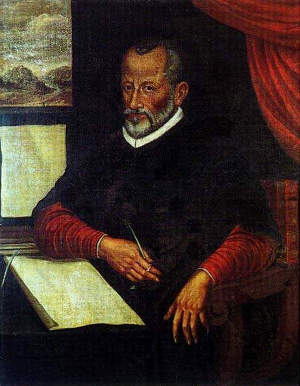 |
- Development of church music - Culmination of Renaissance polyphony. |
| TRANSITION TO THE BAROQUE | - VENECIAN |
- ANDREA & GIOVANNI GABRIELI |
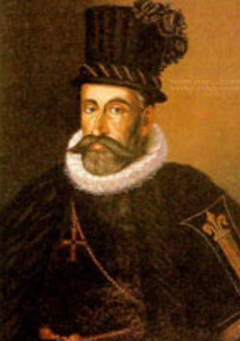 |
- Polychoral compositions |
| TRANSITION TO THE BAROQUE | - FLORENTINE CAMERATA | - JACOPO PERI -GIULIU CACCINI |
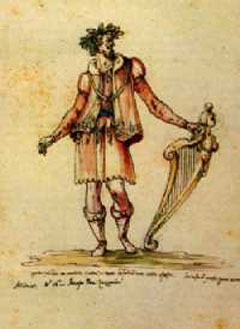 |
- Monody, accompany melody - Drama sung in monodic style, the first creation of a new form: OPERA |
| TRANSITION TO THE BAROQUE | - CLAUDIO MONTEVERDI |
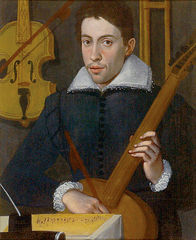 |
- MADRIGALS - OPERAS |
|
