The Spanish Enlightenment
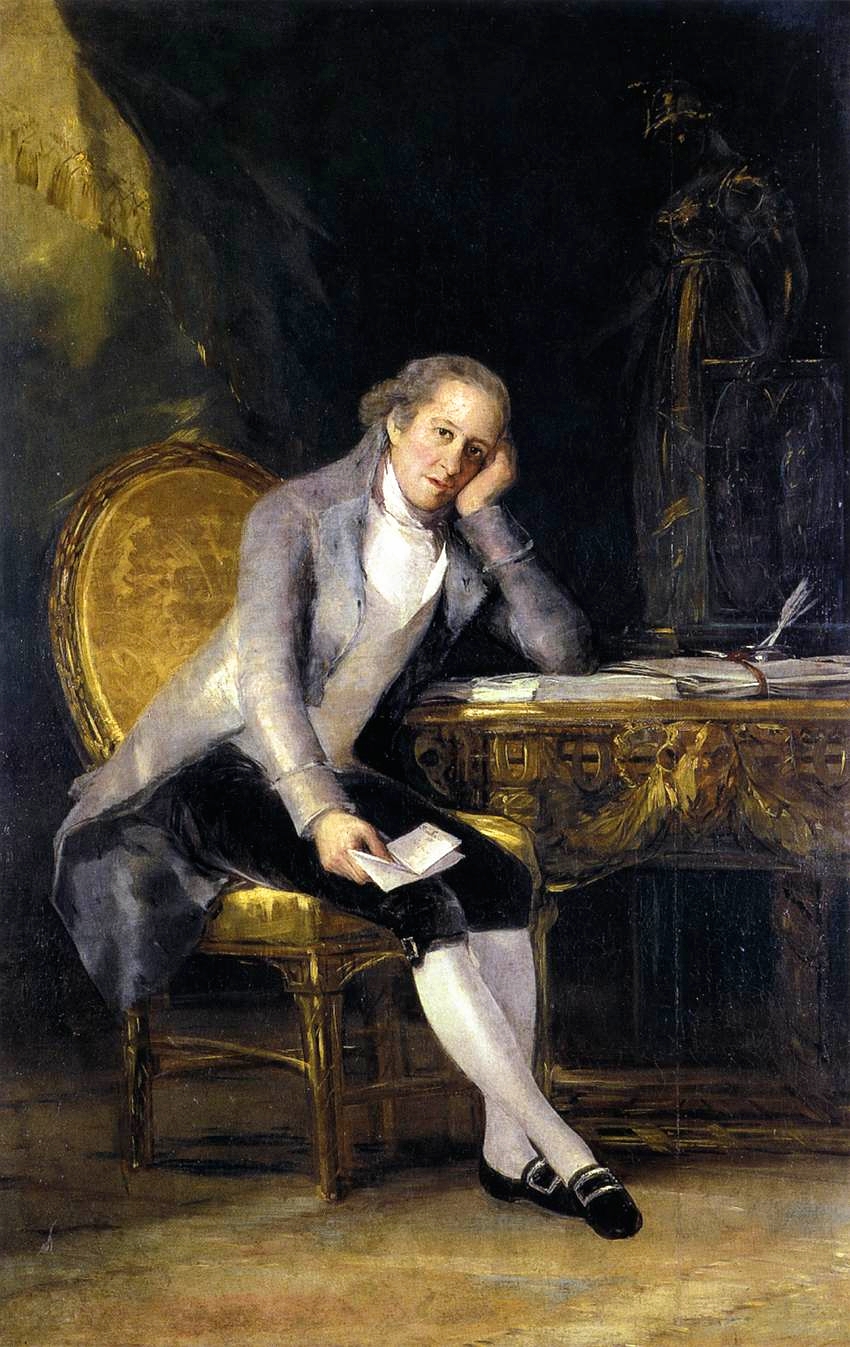 The Enlightenment just affected some elite groups and the most important enlightened period took place during Charles III’s reign. Just some intellectuals and politicians coming from the lower nobility and clergy followed the enlightened ideas. Most of the people did not understand these ideas and theupper nobility and clergy opposed them since they attacked their privileges.
- New societies known as Sociedades Económicas de Amigos do País were founded across Spain in order to promote innovations in their regions and they became the main Spanish intellectual and economic focuses.
- New schools were opened and the Universities were reformed in order to teach the useful sciences according to the enlightened authors (mathematics, physics and chemistry).
- The monarchs also created Royal Academies for some specific matters such as the Real Academia de la Lengua Española (1713), Real Academia de la Historia (1735), Real Academia Médica Matritense (1734), and Real Academia de Bellas Artes de San Fernando (1752)…
- Some new public spaces were opened for leisure and research, such as the Royal Botanic Garden in Madrid.
- The Spanish enlightened authors understood that the decline of Spain was caused by the old-fashioned social order and the economic backwardness.
The main representatives of the Spanish Enlightenment are:
- Writers like father Feijóo and Gaspar Melchor de Jovellanos (who was also a politician).
- Politicians such as the Marquis of Ensenada, Count of Aranda, Count of Floridablanca, and Campomanes
Jovellanos by Francisco de Goya. Public Domain