Section outline

  • logo

    • The C2 learner is a Proficient User of the language according to the Common European Framework of Reference for languages. They can understand with ease virtually everything heard or read. They can summarise information from different spoken and written sources, reconstructing arguments and accounts in a coherent presentation.  They can express themselves spontaneously, very fluently and precisely, differentiating finer shades of meaning even in more complex situations.

      Competency-based learning objectives

      Upon completion of this course, students will be able to:

        • understand: virtually all forms of the written or spoken language including abstract, structurally complex, or highly colloquial literary or non-literary language. A wide range of long and complete texts, appreciating subtle distinctions of style and implicit as well as explicit meaning. Any kind of spoken language, whether live or broadcast, delivered at fast natural speed.
        • produce and co-produce clear, smoothly flowing well-structured speech with an effective logical structure which helps the recipient to notice and remember significant points. Has a good command of idiomatic expressions and colloquialisms with awareness of connotative levels of meaning. Can convey finer shades of meaning precisely by using, with reasonable accuracy, a wide range of modification devices. Can backtrack and restructure around a difficulty so smoothly the interlocutor is hardly aware of it.
        • mediate effectively and naturally, taking on different roles according to the needs of the people and situation involved, identifying nuances and undercurrents and guiding a sensitive or delicate discussion. Can explain in clear, fluent, well-structured language the way facts and arguments are presented, conveying evaluative aspects and most nuances precisely, and pointing out sociocultural implications (e.g. use of register, understatement, irony and sarcasm). 
    • The main aim of this module is to get used to the organization of this platform and the course content. We will do some basic activities that are typically required in any online course. These include participating in a forum, sending messages, submitting an assignment and checking your grades in the grade book. And of course, putting a name to that face!

      You can also consult the tutorials that we have uploaded in this opening module.

      Activities: 20
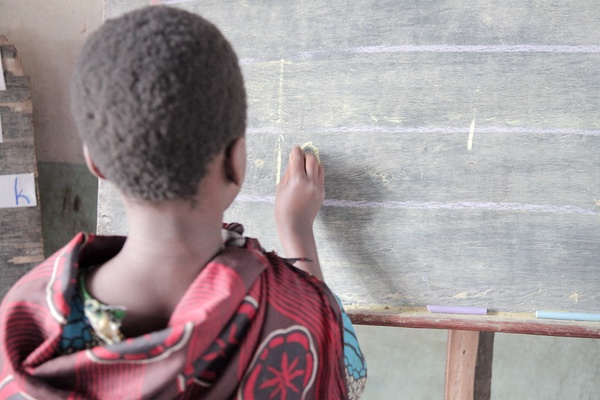
    • boy at boardThis module looks at the area of education in society as a whole, what is education really, its contexts and agents throughout our lives. We will be working on contents that will allow you to

      • write a summary of main information
      • produce an oral summary of schooling trends
      • understand written and oral texts about schooling worldwide
      • identify trends in educational contexts internationally

      In order to produce these final results, we will be working on

      • summaries
      • educational vocabulary
      • general tense review and conditionals
      • identification of key elements
      Activities: 21