Información/ ampliación UNIVERSO/SISTEMA SOLAR/PLANETAS...
| Sitio: | Aula Virtual do CPI Castro Baxoi |
| Curso: | BIOLOXÍA E XEOLOXÍA 4º ESO. 2026/27 |
| Libro: | Información/ ampliación UNIVERSO/SISTEMA SOLAR/PLANETAS... |
| Impreso por: | Usuario convidado |
| Data: | martes, 29 de setembro de 2026, 5:57 PM |
Descrición
BIG BANG. JAMES WEB....
ANIMACIÓN TP /TERREMOTOS DE GALICIA APDO 19-20
Táboa de contidos
- 1. LÚA DE FRESA 2025
- 2. SISTEMA SOLAR WEB/IMAXES
- 3. DATOS SS
- 4. SOL/DISTANCIAS NO SS
- 5. ESTRUTURA INTERNA SOL
- 6. MARTE
- 7. PLANETAS VISIBLES XANEIRO
- 8. LÚA
- 9. MAPA DO CEO
- 10. ECLIPSE
- 11. James Website
- 12. EVOLUCIÓN ESTRELAS
- 13. BURACOS NEGROS
- 14. VELOCIDADES DE ESCAPE
- 15. BIG-BANG
- 16. MATERIA ESCURA
- 17. Ondas sísmicas animación
- 18. SISMICIDADE E VULCANISMO
- 19. RELEVO
- 20. Animacións ONDAS/EDIFICIOS/ PROTECCIÓN
- 21. GALICIA TERREMOTOS
- 22. HISTORIA XEOLÓXICA TERRA
- 23. DATACIÓN TERRA/ ERAS
1. LÚA DE FRESA 2025
4. SOL/DISTANCIAS NO SS
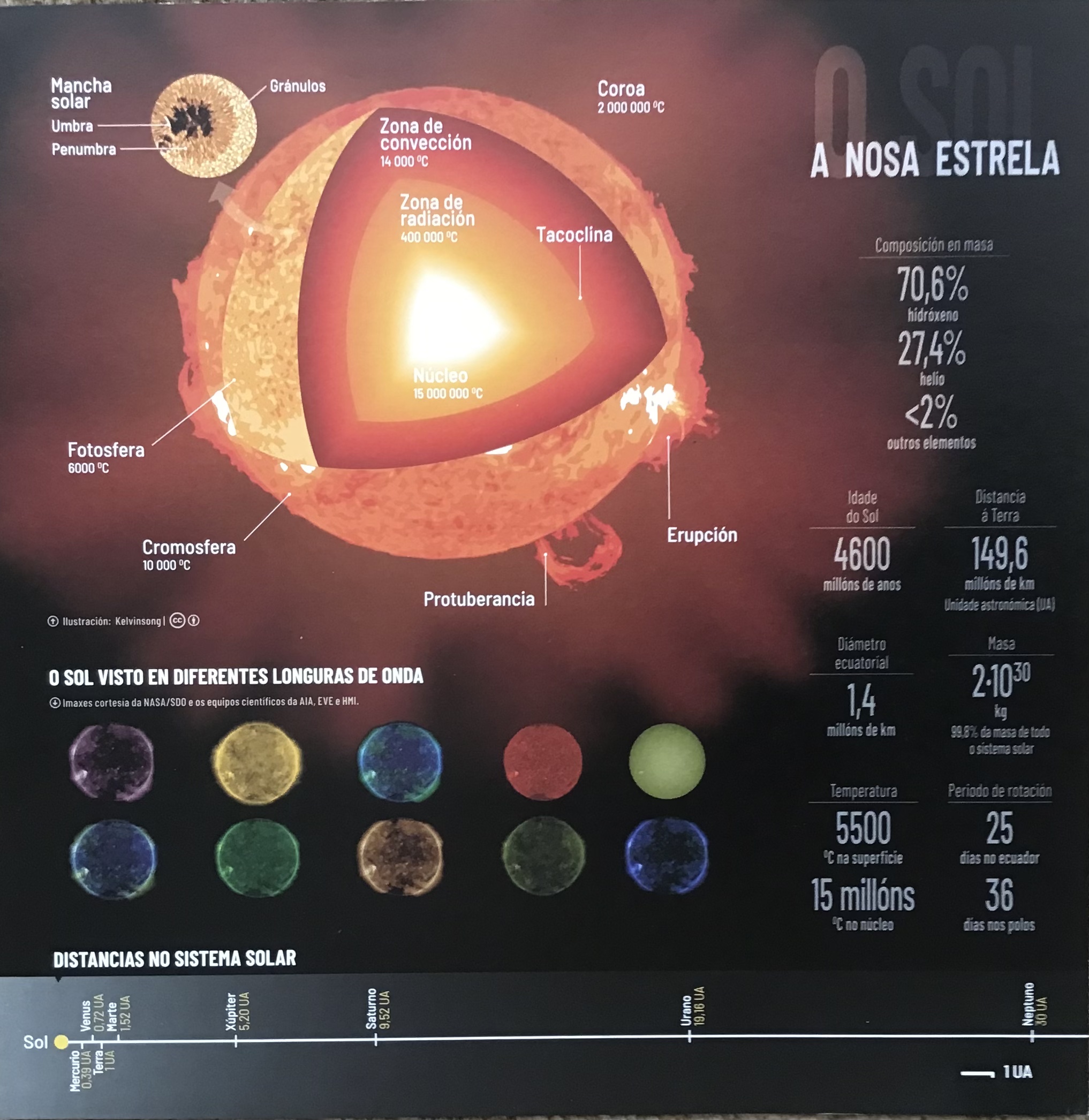
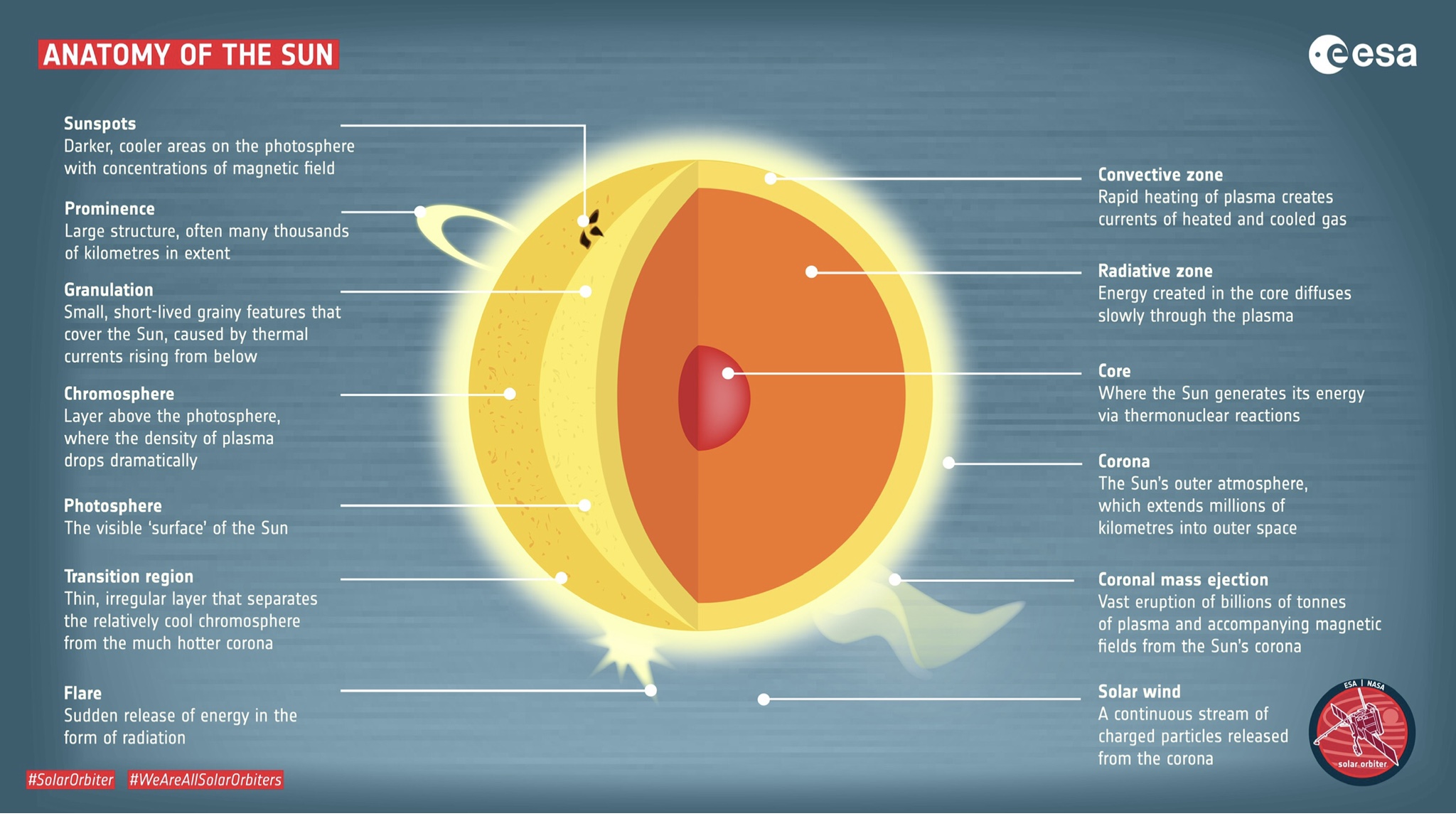
5. ESTRUTURA INTERNA SOL
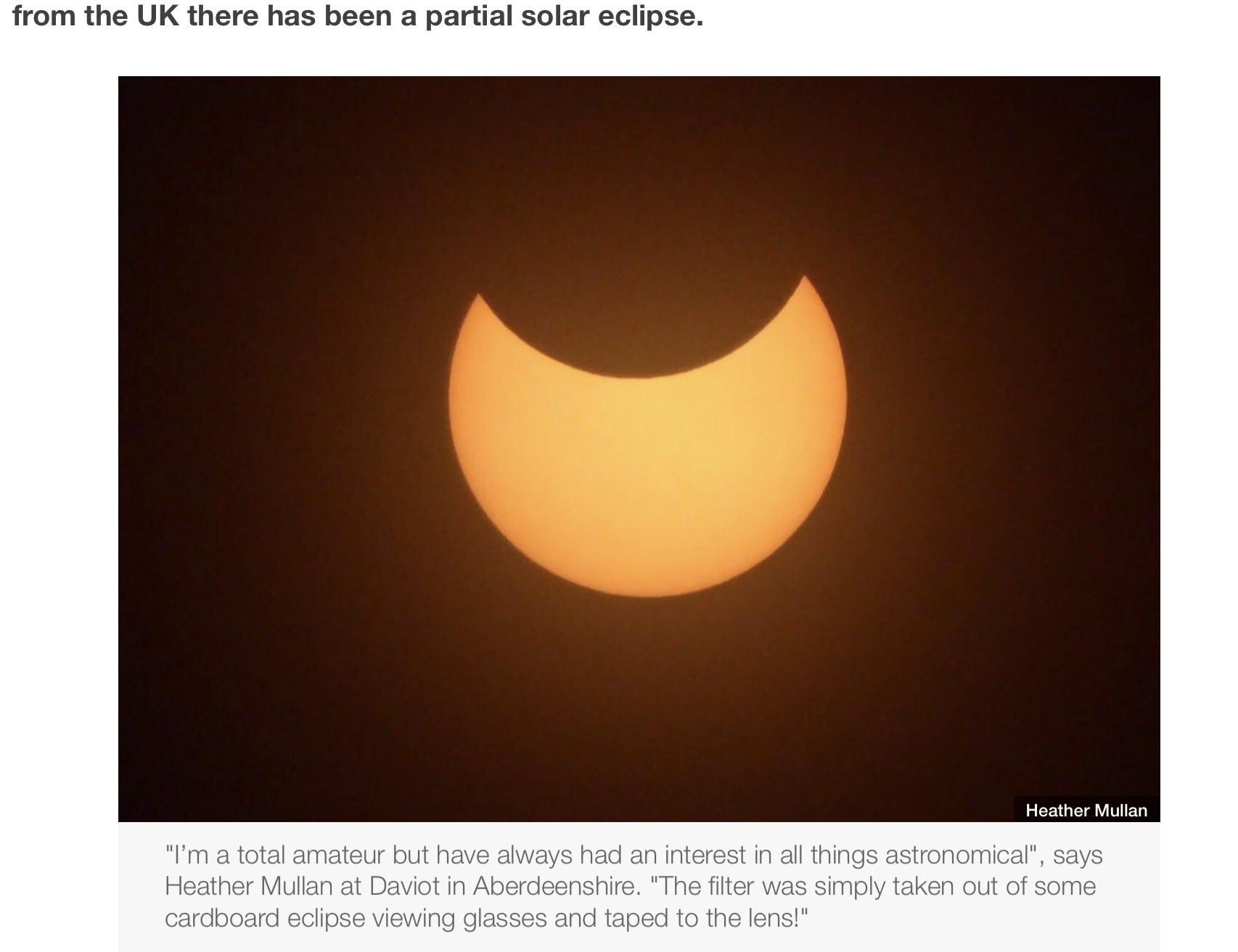
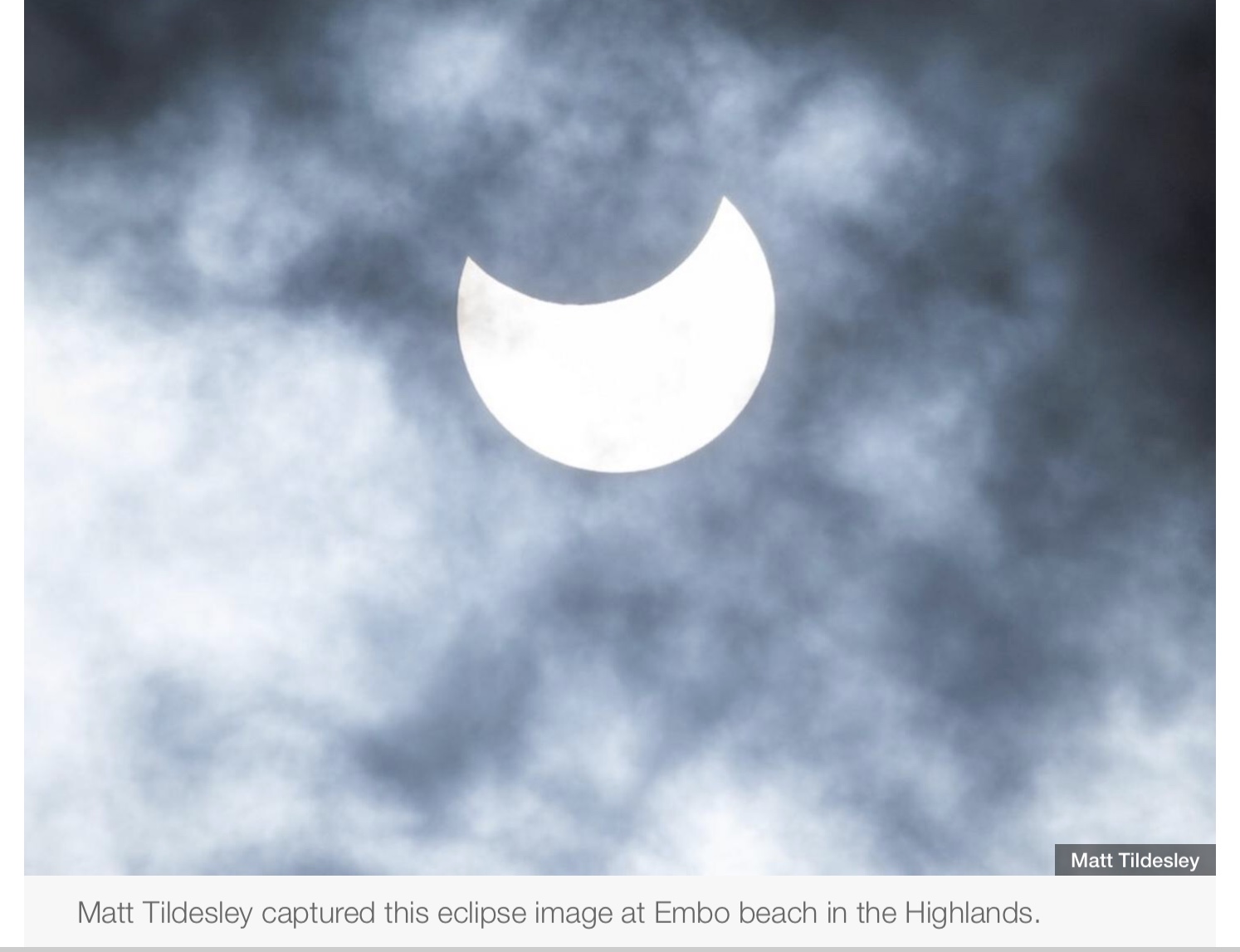
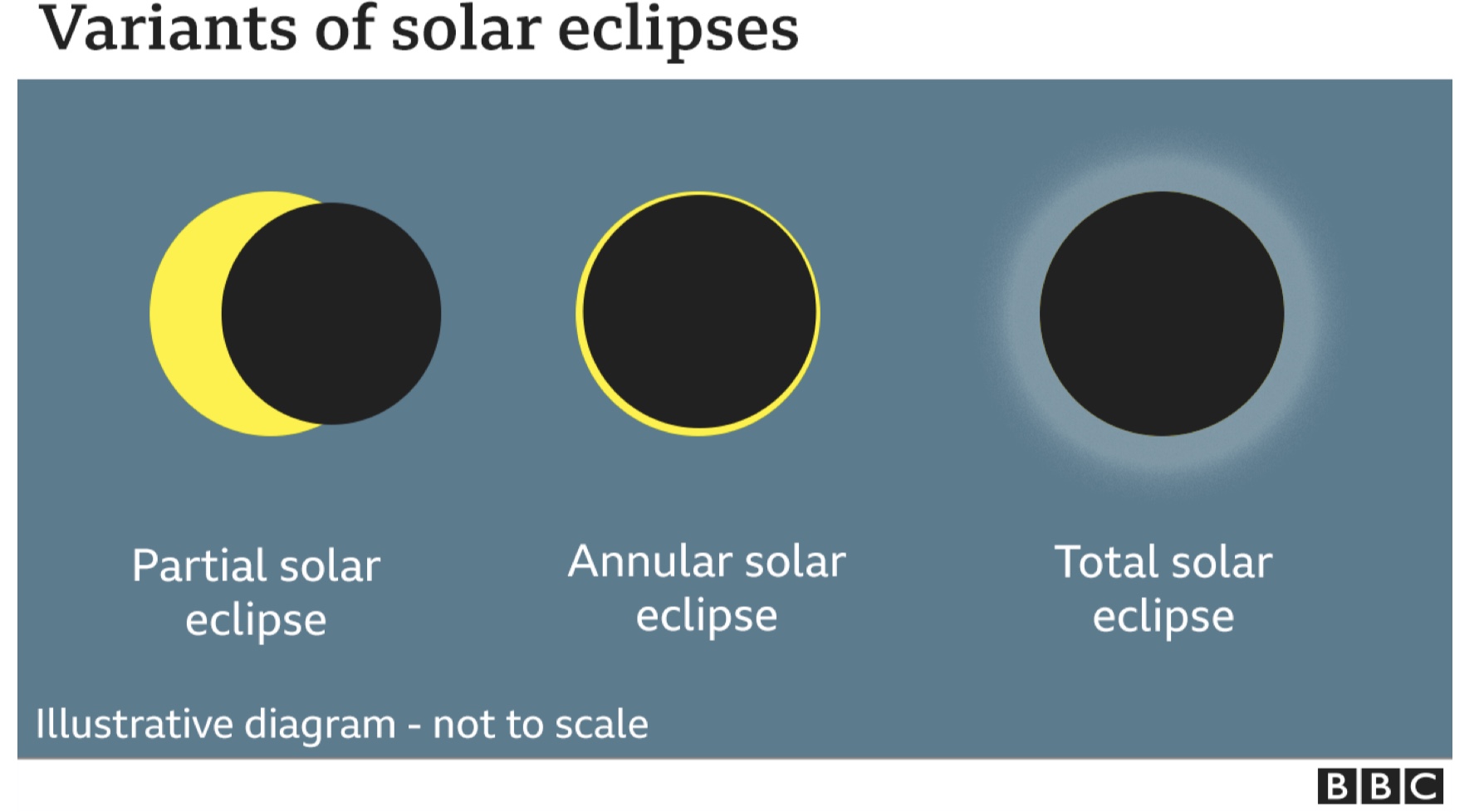
5.1. ECLIPSE SOLAR PARCIAL
In pictures: Solar eclipse as seen from the UK https://www.bbc.co.uk/news/uk-scotland-57426005
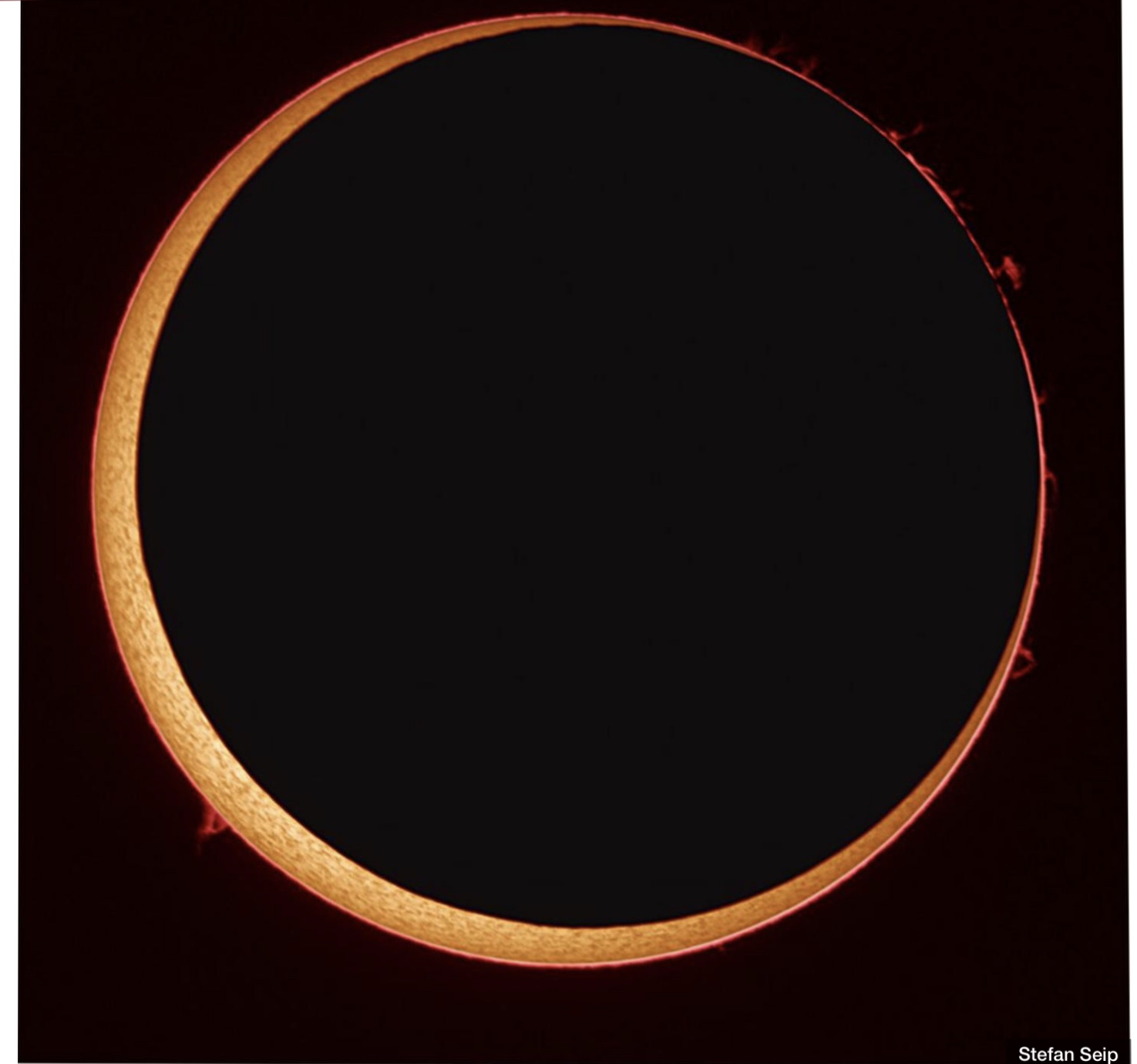
5.2. ECLIPSE ANELAR SOLAR
5.3. ECLIPSE SOLAR
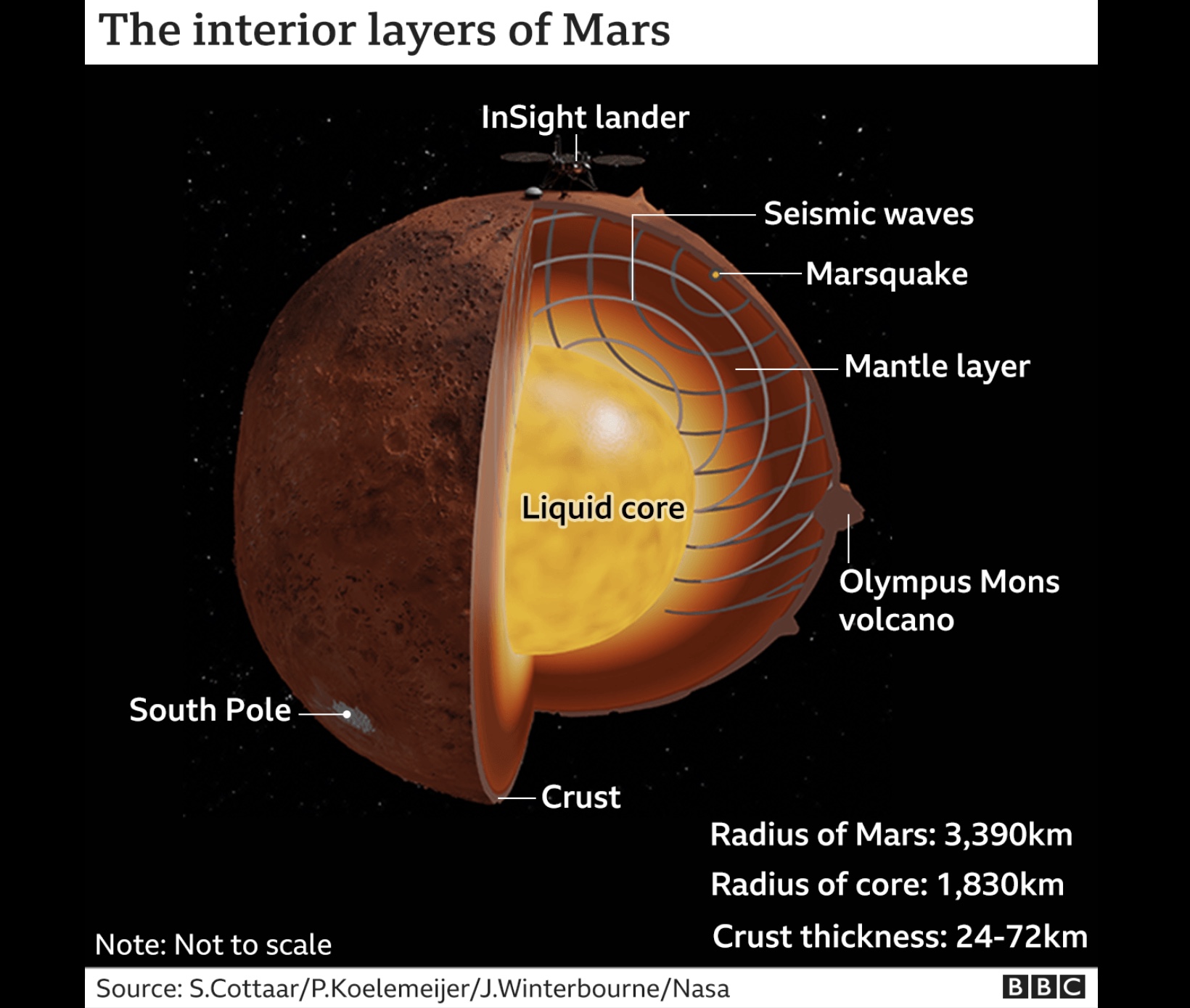
6. MARTE
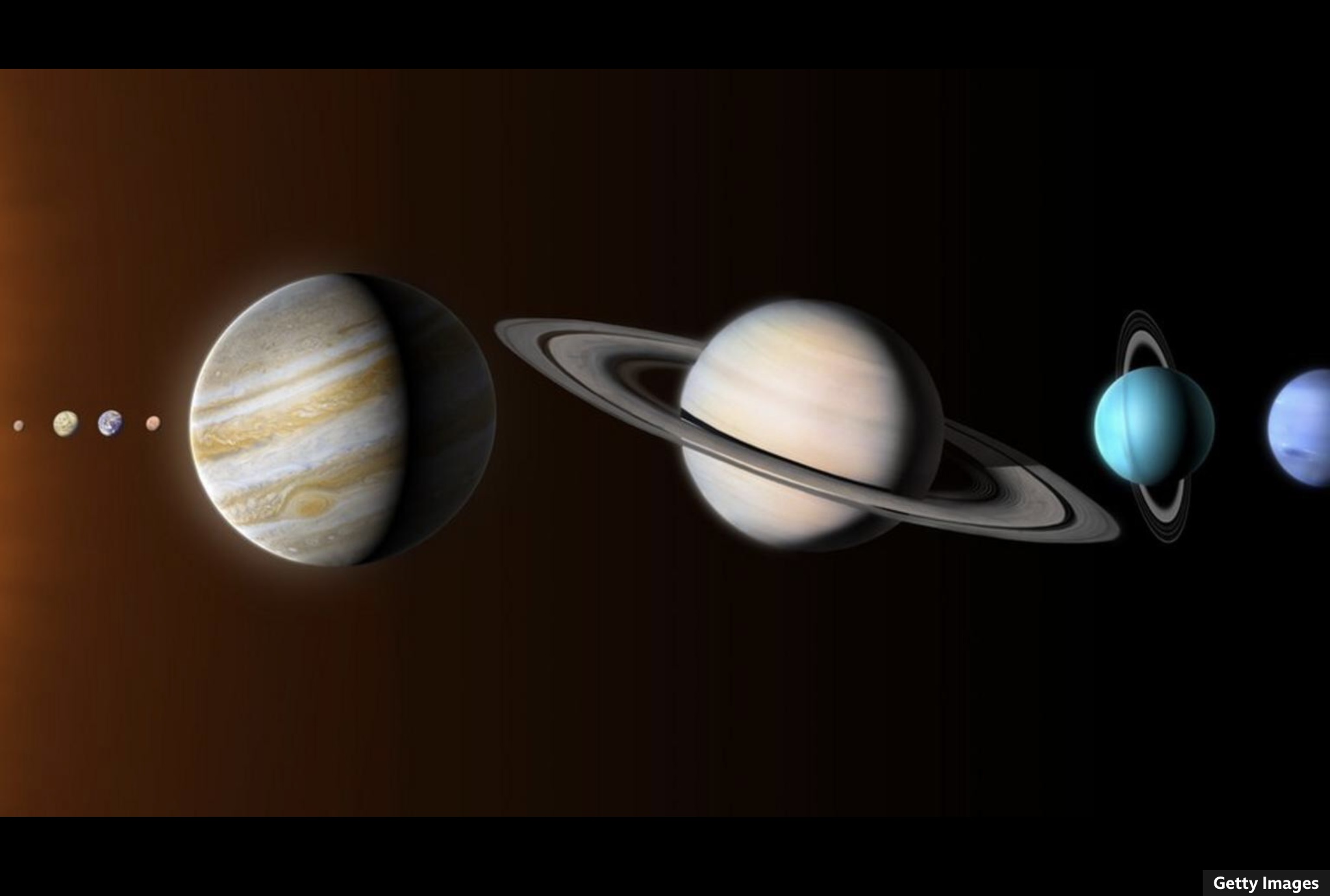
8. LÚA
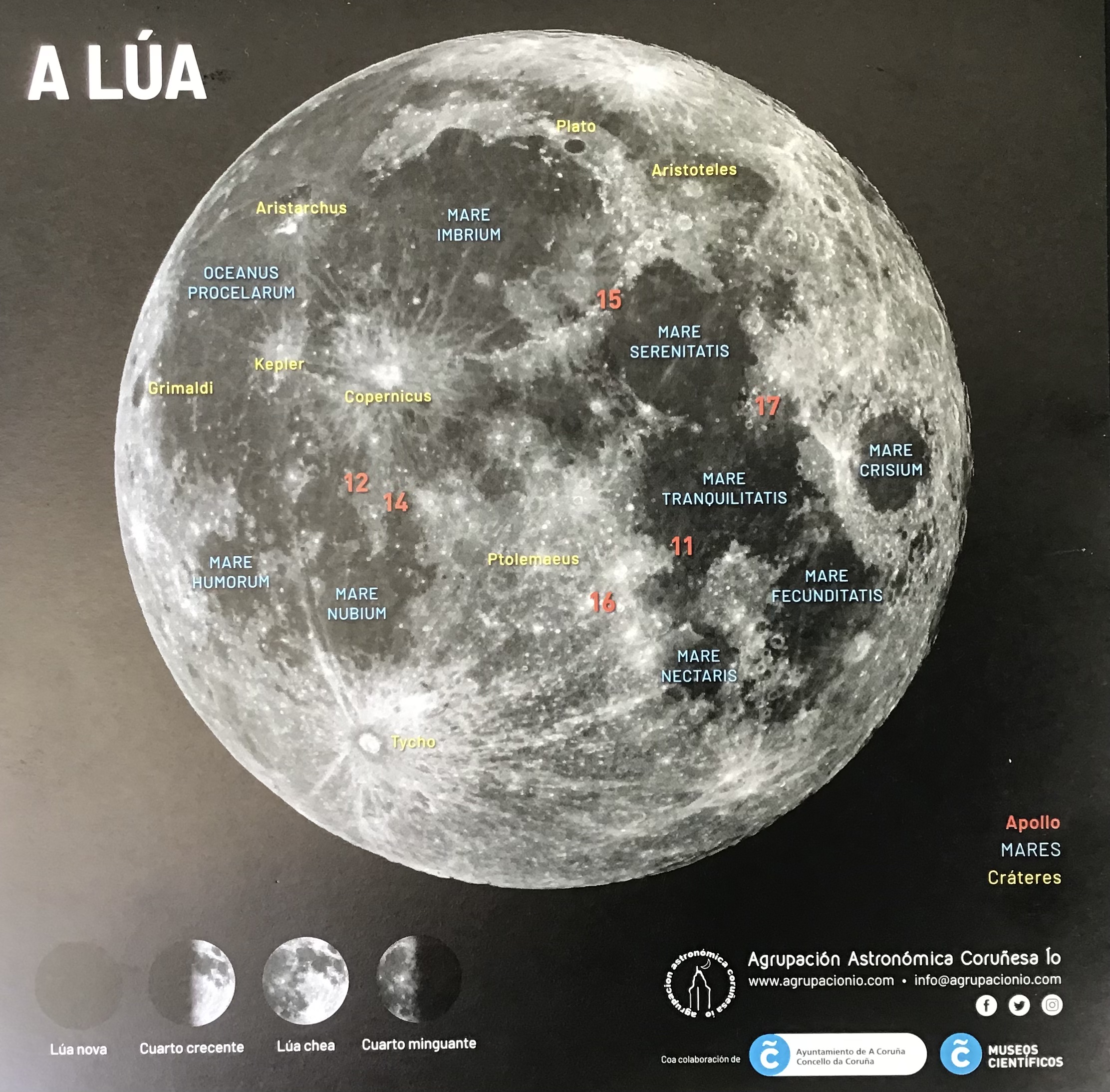
9. MAPA DO CEO

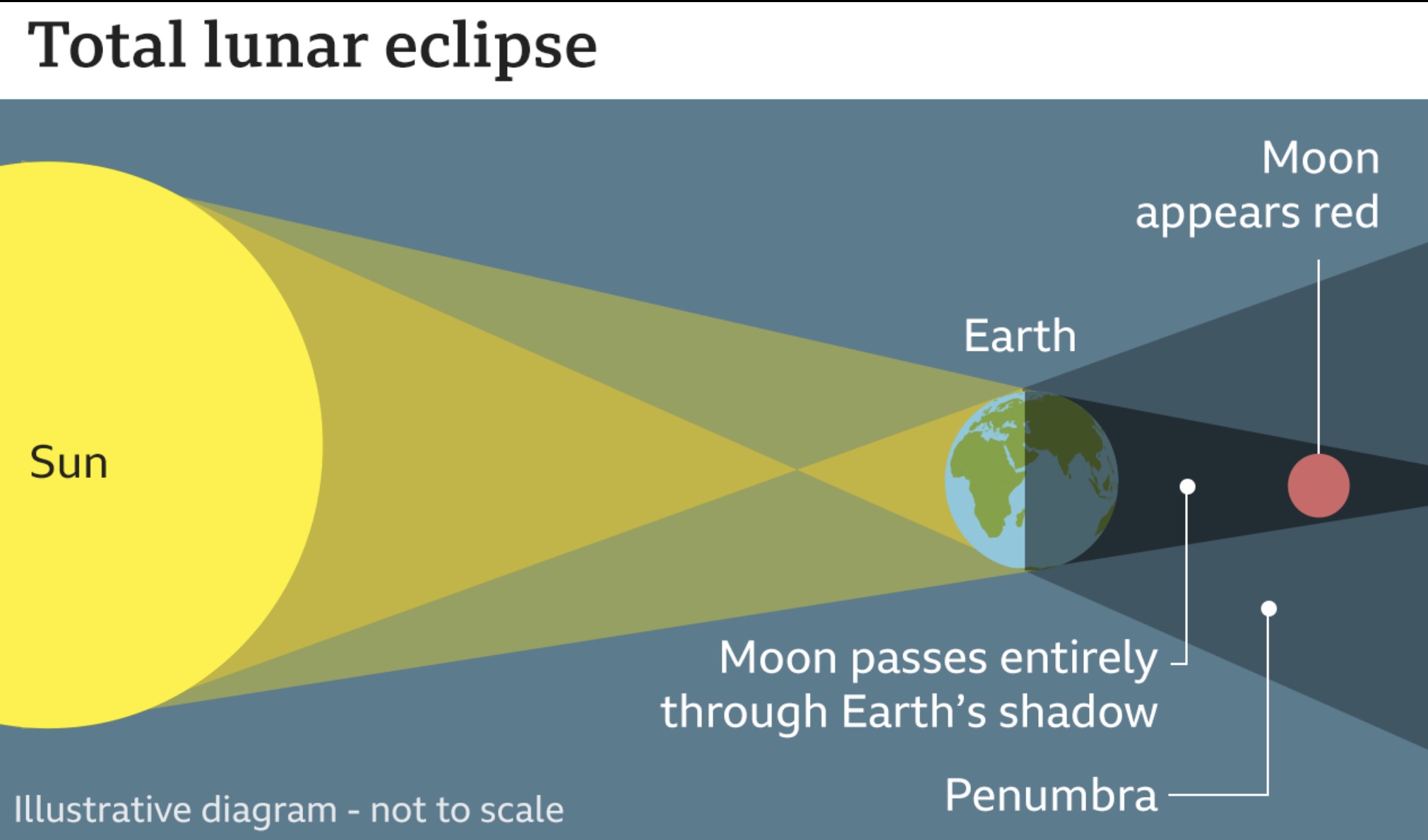
10. ECLIPSE
11. James Website
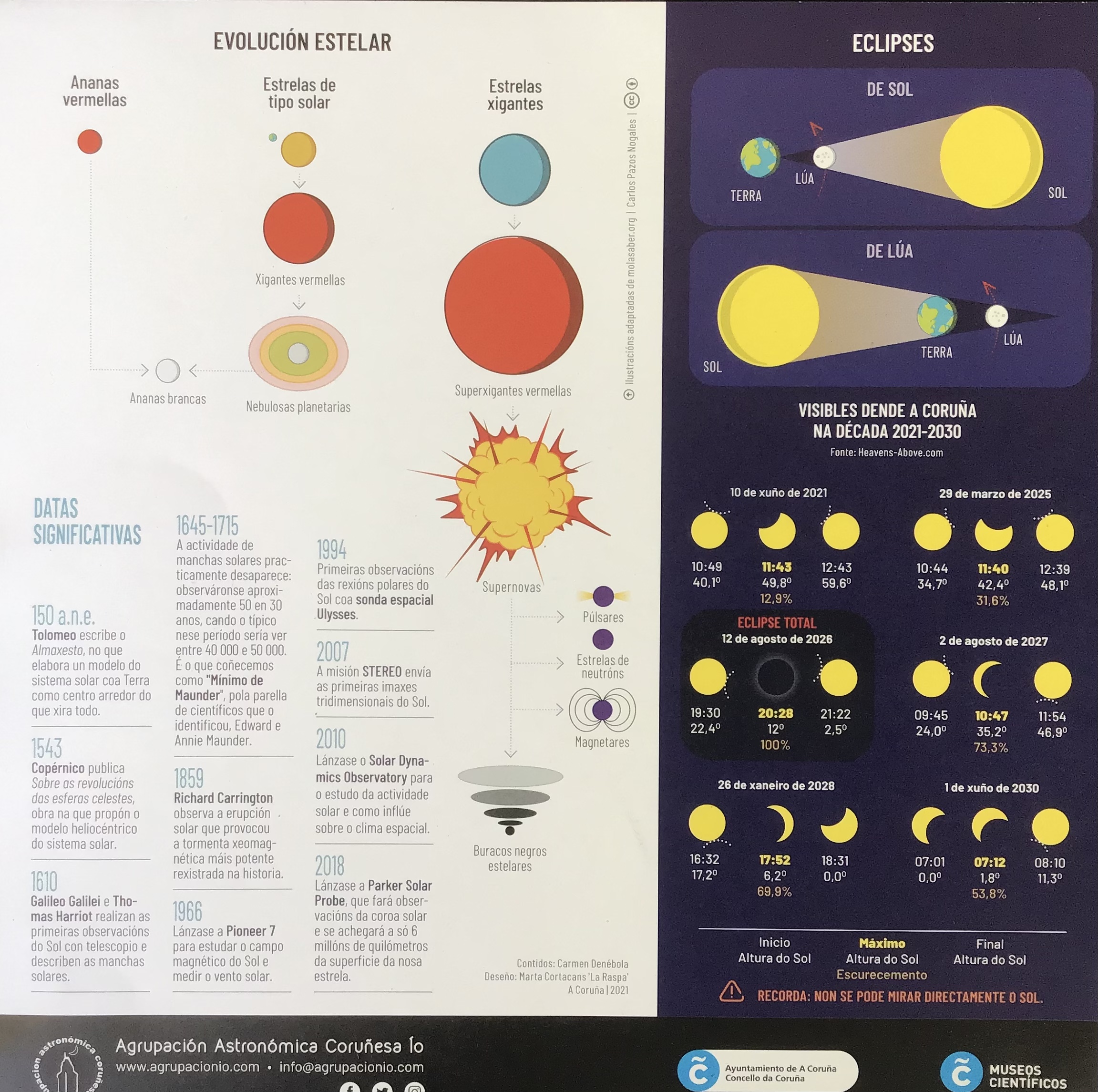
12. EVOLUCIÓN ESTRELAS
14. VELOCIDADES DE ESCAPE
15. BIG-BANG
https://hubblesite.org/contents/articles/dark-energy PARA EXAME
Hubble was designed as a general purpose observatory, meant to explore the universe in visible, ultraviolet, and infrared wavelengths. To date, the telescope has studied a vast array of cosmic objects, providing views that astronomers were unable to capture from the ground.
In addition to blocking certain wavelengths of light altogether, Earth’s atmosphere is made up of shifting pockets of air that cause the twinkling appearance of stars in the night sky. This motion blurs images captured by telescopes on the ground. Hubble was placed into orbit above the atmosphere to avoid these effects.
As the telescope orbits Earth, its mirror gathers light from the cosmos, collecting images and data. For some of deepest images, the telescope has stared at the same point in the sky for days to capture the dim glow of the distant universe.
16. MATERIA ESCURA
18. SISMICIDADE E VULCANISMO
https://educativo.ign.es/atlas-didactico/relieve-eso/terremotos_y_maremotos.html
Como ya hemos visto en este epígrafe, la magnitud indica la medida del tamaño de un terremoto (la energía liberada), mientras que la intensidad señala la forma en que ha sido sentido un terremoto y el grado de daño que ha causado en un lugar. La magnitud no cambia con la distancia al epicentro, mientras que la intensidad va disminuyendo con la distancia epicentral. La magnitud se expresa con un número decimal y la intensidad con números romanos.
2. En las olas de un tsunami se produce el movimiento de toda una columna de agua (desde el fondo hasta la superficie) y su extensión horizontal es mucho más grande. Por ello, las olas de tsunami transportan mucha más energía que las olas generadas por el viento y tienen gran poder destructivo. También se caracteriza porque la distancia entre las crestas de dos olas consecutivas es muy grande (unos 100 kilómetros, frente a los 100 metros que pueden separar a las olas comunes) y el tiempo entre esas dos crestas consecutivas puede ser de 1 hora (pudiendo ser de hasta unos 10 segundos en olas provocadas por el viento).
18.1. Poster interior terrestre/ ondas sísmicas
https://www.iris.edu/hq/inclass/poster/exploring_the_earth_using_seismology
18.2. VOLCÁNS E TERREMOTOS
https://educativo.ign.es/atlas-didactico/relieve-eso/fallas_y_pliegues.html
20. Animacións ONDAS/EDIFICIOS/ PROTECCIÓN
https://www.iris.edu/hq/inclass/gif
https://www.iris.edu/hq/inclass/animation/3component_seismogram_records_seismicwave_motion
https://www.iris.edu/hq/inclass/animation/alaska_tectonics_and_earthquakes
https://www.iris.edu/hq/inclass/animation/fault_reverse_ FALLAS INVERSAS
21.1. FALLAS E PREGOS
https://educativo.ign.es/atlas-didactico/relieve-eso/fallas_y_pliegues.html
22. HISTORIA XEOLÓXICA TERRA